



📋 Key Takeaways
- Vodka can be made from various ingredients including grains, potatoes, and fruits.
- The distillation process is crucial in producing vodka’s purity and flavor.
- Different regions have unique methods and regulations for vodka production.
- Flavorings and infusions can enhance vodka, creating diverse varieties.
- Popular vodka brands include Belvedere and Absolut.
- Vodka can be made from various ingredients including grains, potatoes, and fruits.
- The distillation process is crucial in producing vodka’s purity and flavor.
- Different regions have unique methods and regulations for vodka production.
- Flavorings and infusions can enhance vodka, creating diverse varieties.
- Popular vodka brands include Belvedere and Absolut.
Vodka, often considered the spirit of choice for cocktails and shots alike, is renowned for its versatility and neutrality. But have you ever wondered what vodka is actually made from? The answer is more complex than it seems, as vodka can be derived from a variety of sources, each imparting different characteristics to this beloved spirit. In this article, we’ll explore the fascinating world of vodka production, including its ingredients, distillation processes, and the regional influences that shape its unique flavors.
📑 Table of Contents
What Ingredients Are Used to Make Vodka?
Vodka can be made from a wide range of ingredients, but the most common bases include:
Grains
Many vodkas are made from grains such as wheat, rye, and corn. Each grain offers a different flavor profile; for instance, wheat-based vodkas tend to be smooth and creamy, while rye can provide a spicier kick.
Potatoes
Potato vodka is particularly popular in Eastern Europe, known for its rich and full-bodied character. The use of potatoes can add a slightly sweet and earthy flavor to the final product.
Fruits and Other Ingredients
Some vodkas are crafted from fruits, sugar beets, or even milk. These unique bases can lead to interesting flavor profiles, allowing for an expanded range of vodka options available in the market.
The Distillation Process
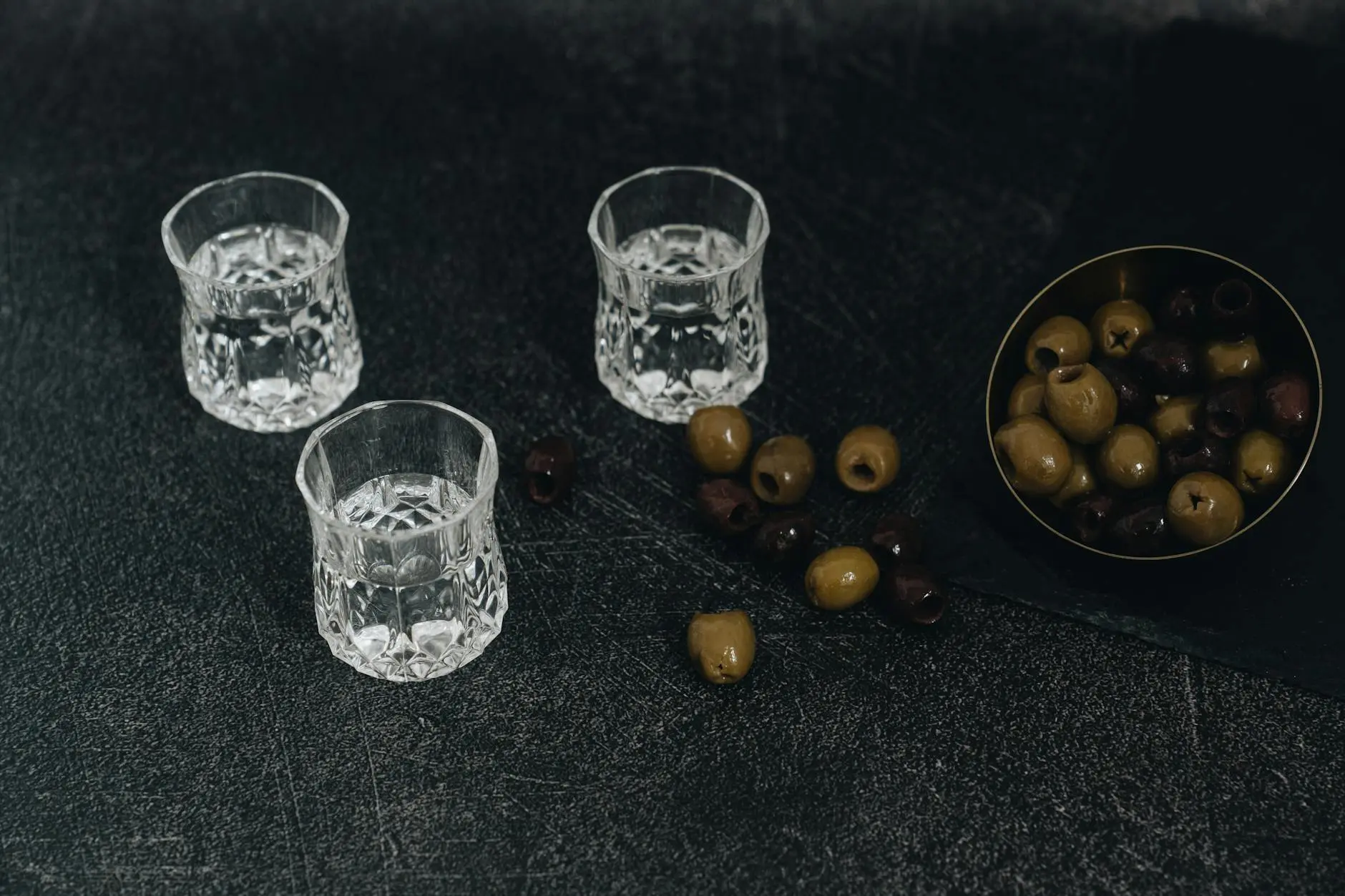
The distillation process is key to vodka production, as it determines the purity and smoothness of the spirit.
Multiple Distillations
High-quality vodkas are often distilled multiple times to enhance their purity. Each distillation process removes impurities, resulting in a cleaner taste.
Filtration Techniques
After distillation, many producers employ various filtration methods, like charcoal filtering, to further refine the vodka and remove any lingering flavors or impurities.
Proof and Bottling
Vodka is typically bottled at a minimum of 40% alcohol by volume (ABV), though some brands may offer higher proofs for specific markets or consumer preferences.
Regional Influences on Vodka Production
The production of vodka varies significantly around the world, influenced by local customs, regulations, and available ingredients.
Eastern European Traditions
Countries like Russia and Poland have long histories of vodka production, often adhering to traditional methods that emphasize local ingredients, such as rye and potatoes.
Western Innovations
In contrast, Western vodka brands may experiment more freely with flavors and ingredients, leading to a wider variety of infusions and creative marketing strategies.
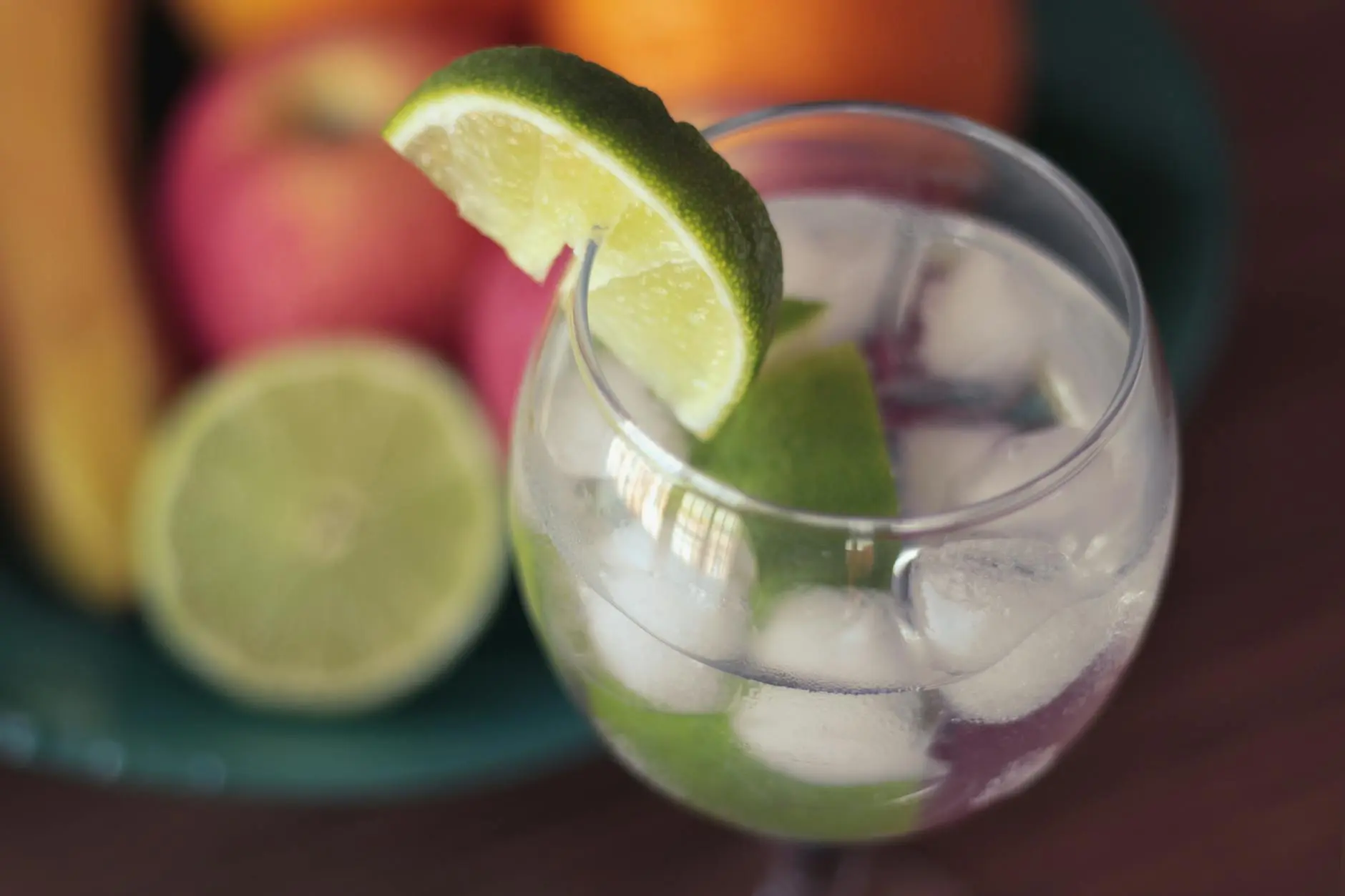
Flavored Vodkas: A Trend on the Rise
In recent years, flavored vodkas have surged in popularity, providing consumers with exciting new options.
Infusions
Flavored vodkas can be made by infusing the spirit with fruits, herbs, or spices. Common flavors include citrus fruits, berries, and even unconventional options like jalapeño or whipped cream.
Market Trends
The growth of flavored vodka has led to a boom in the market, with brands constantly innovating to create unique blends that appeal to a diverse audience.
Pro Tip: When experimenting with flavored vodkas, try pairing them with complementary mixers to enhance their natural flavors.
Conclusion
Understanding what vodka is made from helps to appreciate the craftsmanship and variety that this spirit offers. Whether you prefer a classic grain-based vodka or a fruity infusion, there’s something for everyone in the world of vodka. As you explore different brands like Aivy Vodka and Beluga Vodka, consider the ingredients and processes that contribute to their unique profiles. Cheers!
Warning: Always drink responsibly and be mindful of the alcohol content in vodka, especially flavored varieties that may mask its potency.
❓ Frequently Asked Questions