


📋 Key Takeaways
- Vodka typically ranges from 35% to 50% alcohol by volume (ABV).
- Higher proof vodkas can exceed 60% ABV, making them significantly stronger.
- Different countries have varying regulations on vodka strength.
- Consumption of high-proof vodka should be approached with caution.
- Understanding vodka’s strength can enhance your enjoyment and safety while drinking.
- Vodka typically ranges from 35% to 50% alcohol by volume (ABV).
- Higher proof vodkas can exceed 60% ABV, making them significantly stronger.
- Different countries have varying regulations on vodka strength.
- Consumption of high-proof vodka should be approached with caution.
- Understanding vodka’s strength can enhance your enjoyment and safety while drinking.
When it comes to spirits, few are as versatile and widely consumed as vodka. Known for its neutral flavor and mixability, vodka is a staple in bars and homes around the world. However, one of the most frequently asked questions about vodka is: “How strong is vodka?” With alcohol content ranging from 35% to over 60% ABV (alcohol by volume), understanding vodka’s strength can significantly enhance your drinking experience. In this article, we will explore the varying strengths of vodka, factors influencing its potency, and how to enjoy it responsibly.
📑 Table of Contents
Understanding Alcohol by Volume (ABV)
To grasp vodka’s strength, it’s essential to understand the concept of Alcohol by Volume (ABV). ABV is a standard measure used worldwide to quantify the amount of alcohol (ethanol) contained in an alcoholic beverage, expressed as a percentage of total volume.
Standard Vodka ABV
Most commercially available vodkas have an ABV of around 40%. This is widely accepted as the standard strength for vodka, striking a balance between flavor and potency.
Low and High-Proof Vodkas
While 40% ABV is standard, vodka can also be found at lower and higher strengths. Low-proof vodkas can start as low as 35% ABV, making them more approachable for casual drinkers. Conversely, high-proof vodkas can reach up to 60% or more, offering a robust kick that’s not for the faint-hearted.
Factors Influencing Vodka Strength
The strength of vodka can be influenced by several factors, including the distillation process, ingredients used, and regional regulations.
Distillation Processes
Vodka can be distilled multiple times to achieve a higher purity level. Typically, high-quality vodkas go through three to five distillations, which can raise the ABV significantly.
Ingredients and Fermentation
The type of base ingredient used—whether it’s grains, potatoes, or even fruits—can affect the final product’s strength. Different fermentation processes can also lead to variations in alcohol content.
Regulatory Standards
Each country has its own regulations regarding the minimum and maximum alcohol content for vodka. For example, in the European Union, vodka must contain at least 37.5% ABV, while some regions may allow lower percentages.
Drinking Responsibly: Understanding Vodka Strength
With varying strengths available, it’s crucial to drink vodka responsibly. Consuming high-proof vodka can quickly lead to overconsumption and intoxication.
Recognizing Your Limits
Understanding your own tolerance levels is key. If you’re unsure about your limits, it’s best to start with lower-proof vodkas or mix them into cocktails with other ingredients to dilute their potency.
Mixing Cocktails
Vodka is a popular base for many cocktails, such as the classic vodka martini or cosmopolitan. Mixing vodka with juices, sodas, or other liqueurs can not only enhance flavors but also reduce the overall ABV of your drink.
Popular Vodka Brands and Their Strengths
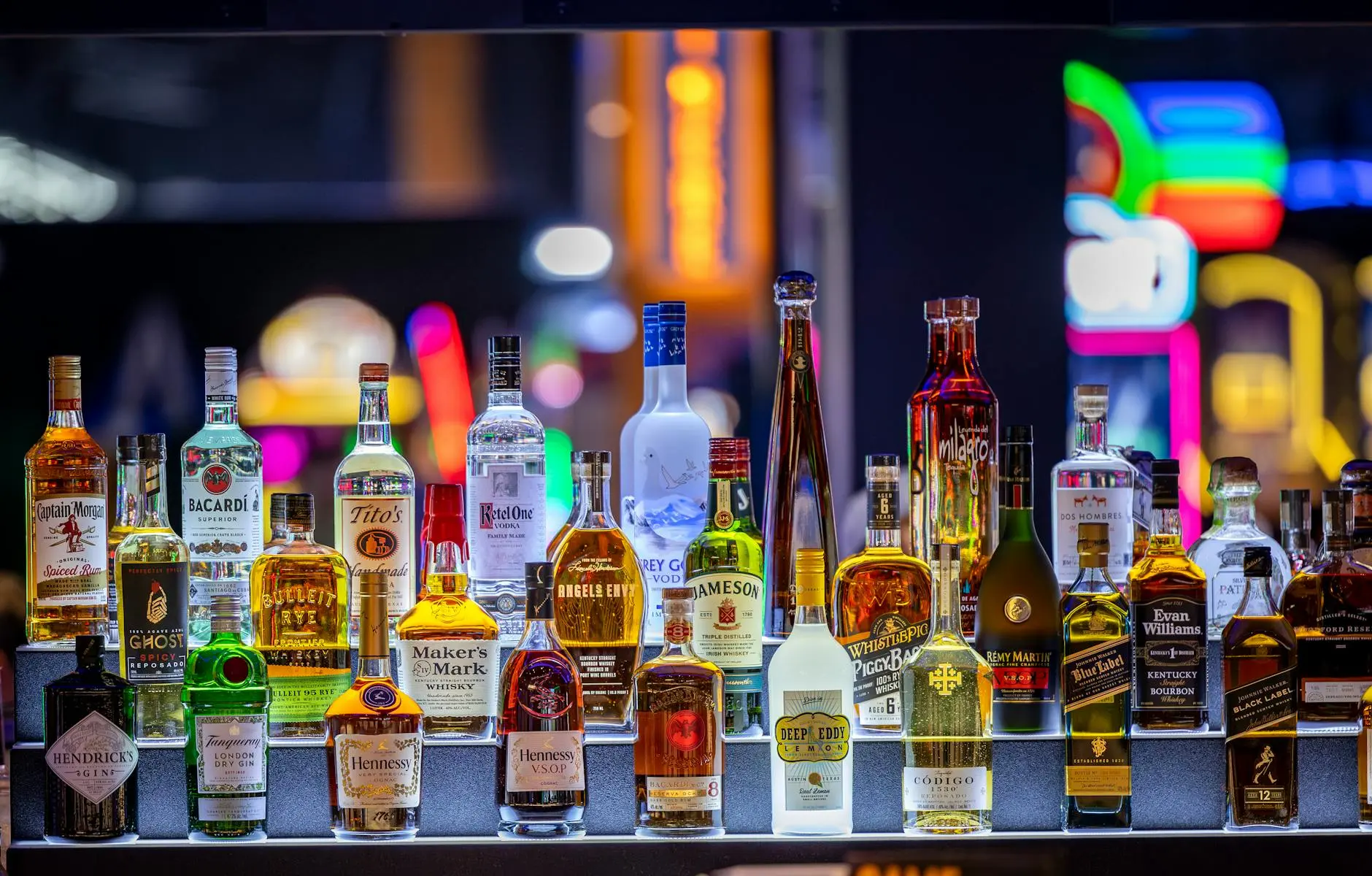
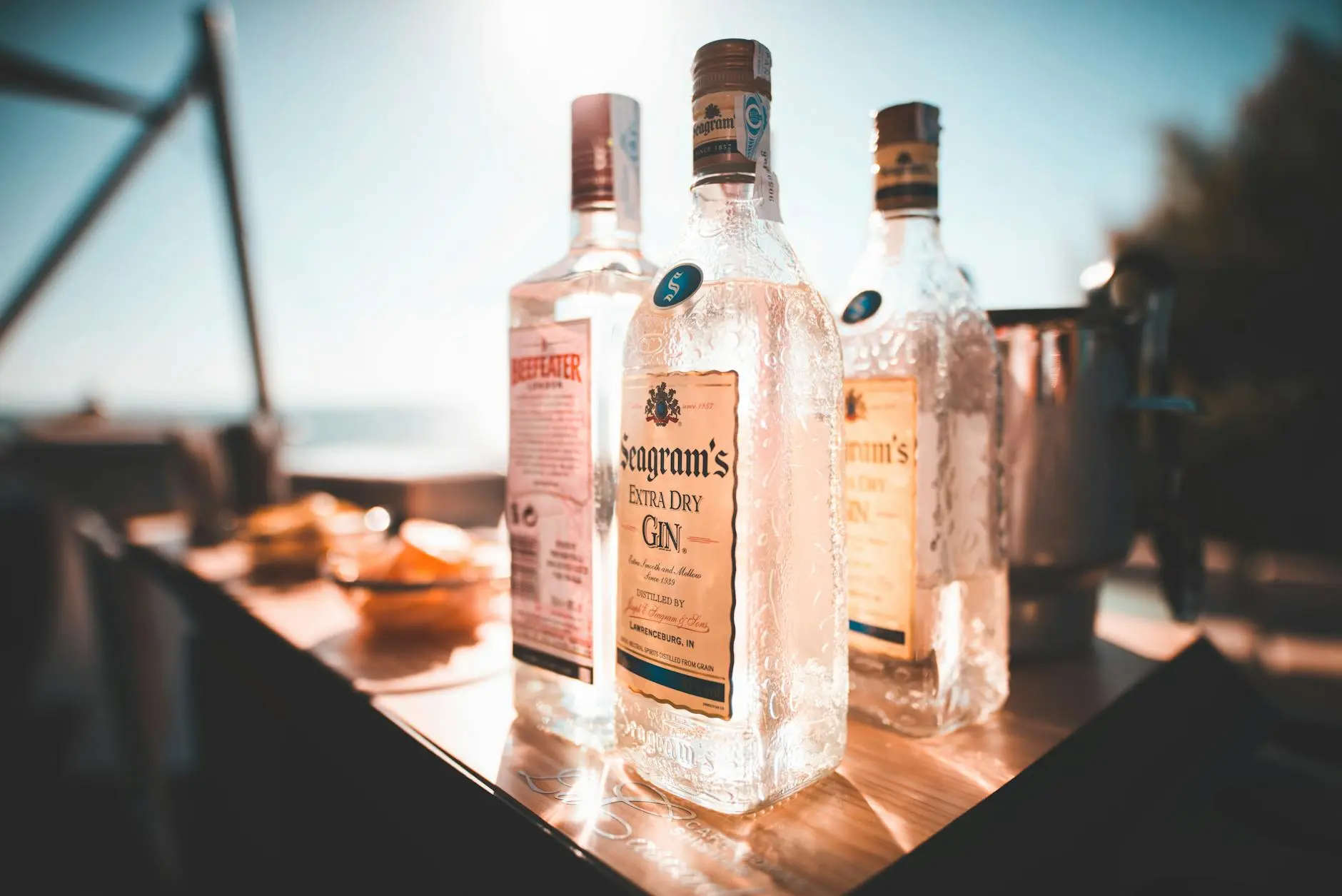
Not all vodkas are created equal. Different brands offer varying strengths and flavor profiles. Here are a few notable options:
Absolut Vodka Collection
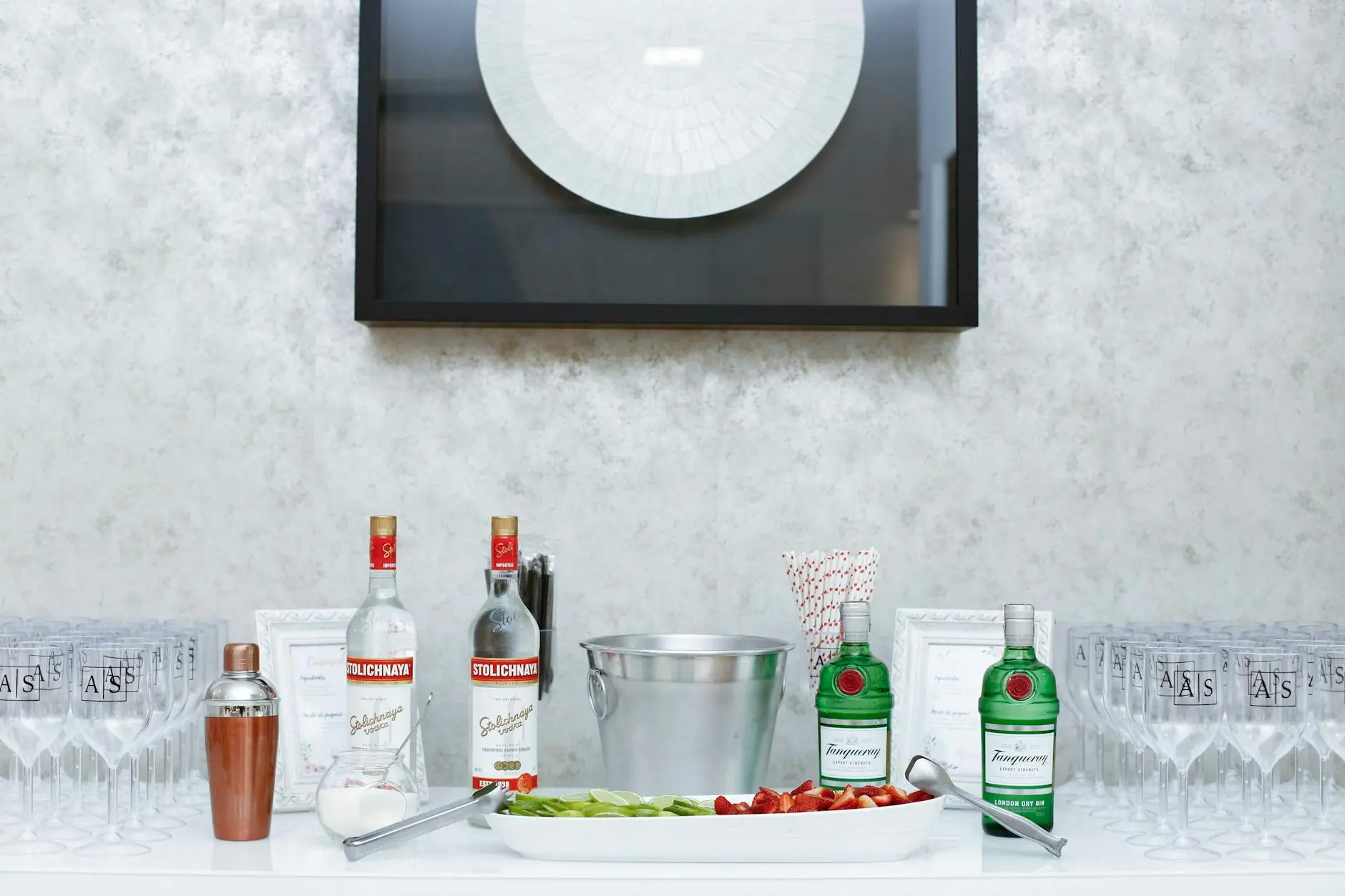
The Absolut Vodka Collection is well-known for its consistent quality, typically at 40% ABV.
Belvedere Vodka Collection
Another premium choice, the Belvedere Vodka Collection, also adheres to the 40% ABV standard, offering a smooth drinking experience.
High-Proof Options
If you’re adventurous, consider trying high-proof brands like Beluga Vodka, which can reach upwards of 50% ABV. These can be enjoyed in moderation or used in cocktails for an extra punch.
Pro Tip: Always check the label for ABV to ensure you know the strength of the vodka you’re consuming. Knowledge is key to enjoying your drink responsibly!
Conclusion
In conclusion, the strength of vodka can vary significantly depending on the brand, distillation process, and country of origin. With most vodkas hovering around 40% ABV, it’s essential to understand your own limits and drink responsibly. Whether you prefer it neat, on the rocks, or in a cocktail, knowing how strong your vodka is allows you to savor the experience without overindulgence. Cheers to enjoying vodka safely and responsibly!
Warning: High-proof vodka can lead to rapid intoxication. Always drink in moderation and never drink and drive.
❓ Frequently Asked Questions