


Introduction
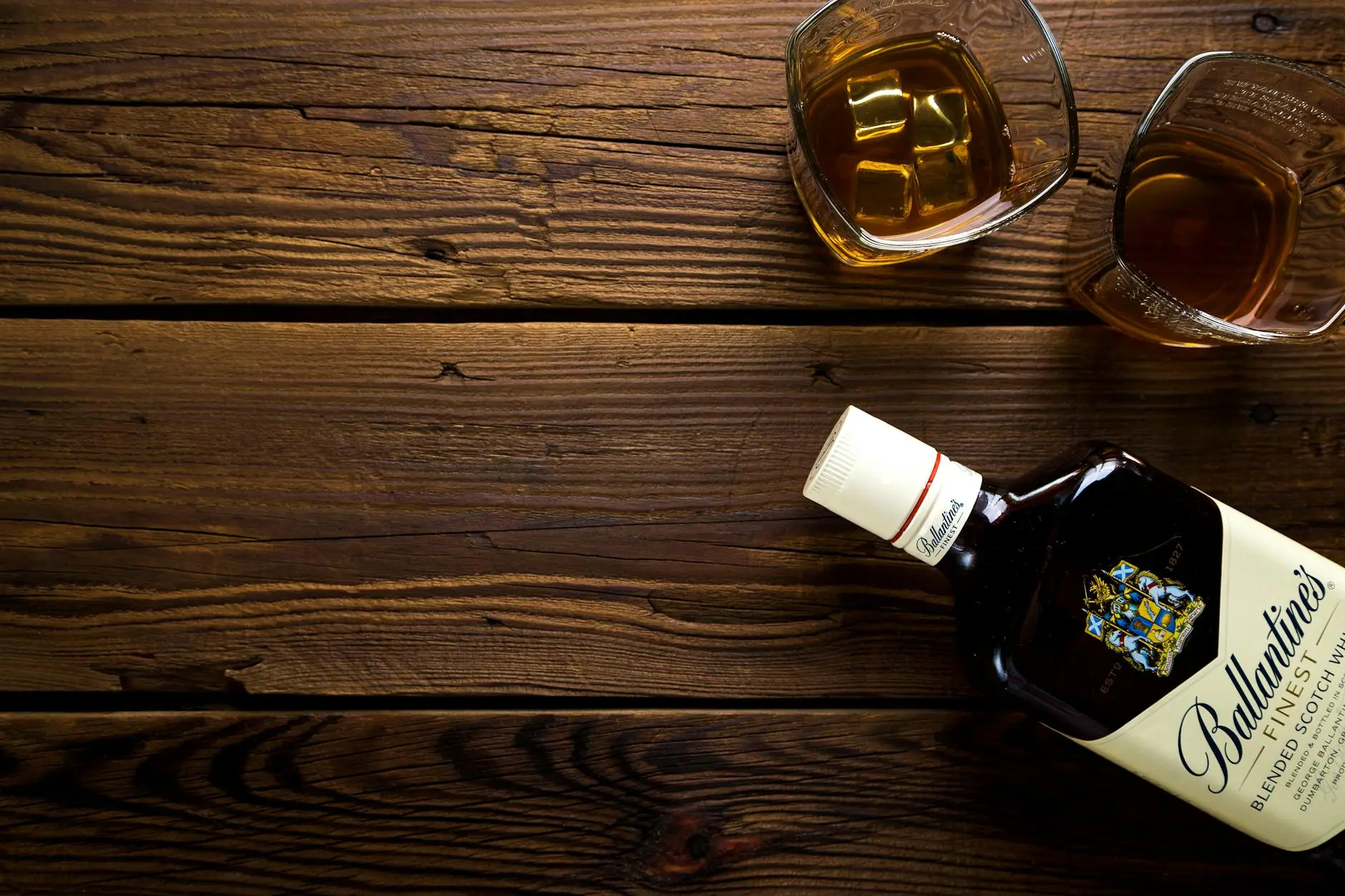
For many enthusiasts and casual drinkers alike, understanding what makes Scotch whisky a beloved spirit can enhance the drinking experience significantly. Scotch whisky, with its deep roots in Scottish tradition, offers a remarkable array of flavors, aromas, and textures that set it apart from other spirits like gin, vodka, rum, and beer. In this blog post, we will explore the distinctive aspects of Scotch whisky, from its ingredients and production process to its cultural significance, ensuring that even beginners can appreciate this iconic drink.
The Ingredients Behind Scotch Whisky
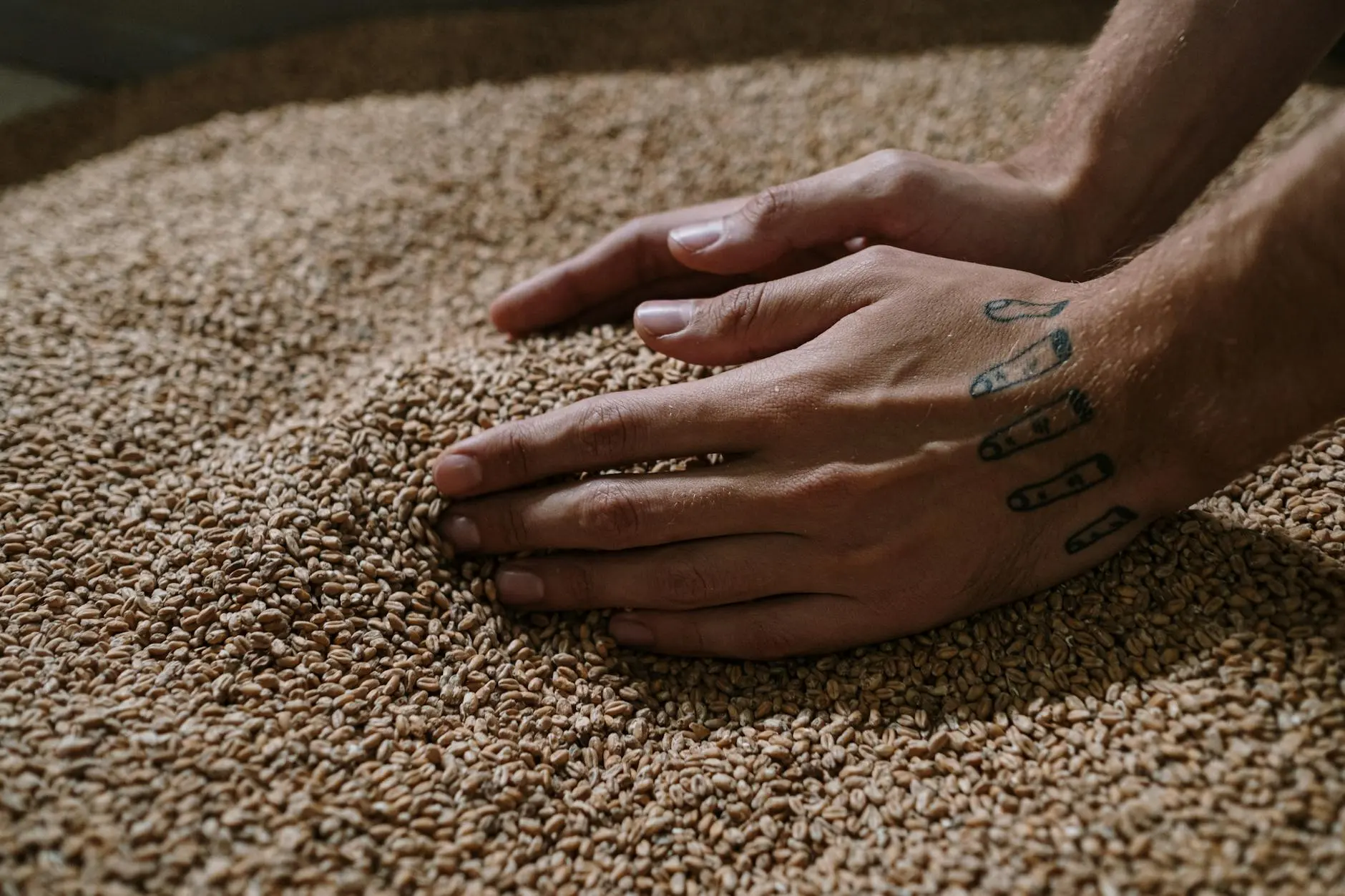
The foundation of any spirit lies in its ingredients. For Scotch whisky, the primary components are water, barley, and yeast. However, the specific choices and processes used to transform these ingredients play a crucial role in defining the whisky’s character.
Barley: The Heart of Scotch Whisky
Scotch whisky is predominantly made from malted barley, which is crucial for developing its unique flavor profile. The malting process involves soaking barley in water and allowing it to germinate before drying it with hot air or in a kiln. This process cultivates enzymes that convert starches into sugars, which are essential for fermentation.
Water: The Lifeblood of the Spirit
Scotch whisky producers often emphasize the quality of the water used in their whisky-making process. Many distilleries source water from local springs or rivers, which can impart subtle flavors to the final product. The mineral content and purity of the water can greatly influence the taste and mouthfeel of the whisky.
Yeast: The Flavor Catalyst
Yeast is the last key ingredient in Scotch whisky production, responsible for fermentation. Different strains of yeast can yield diverse flavors and aromas, contributing to the complexity of the final spirit. Yeast converts the sugars from malted barley into alcohol, and the fermentation process can last from several days to weeks, depending on the distiller’s approach.
The Distillation Process
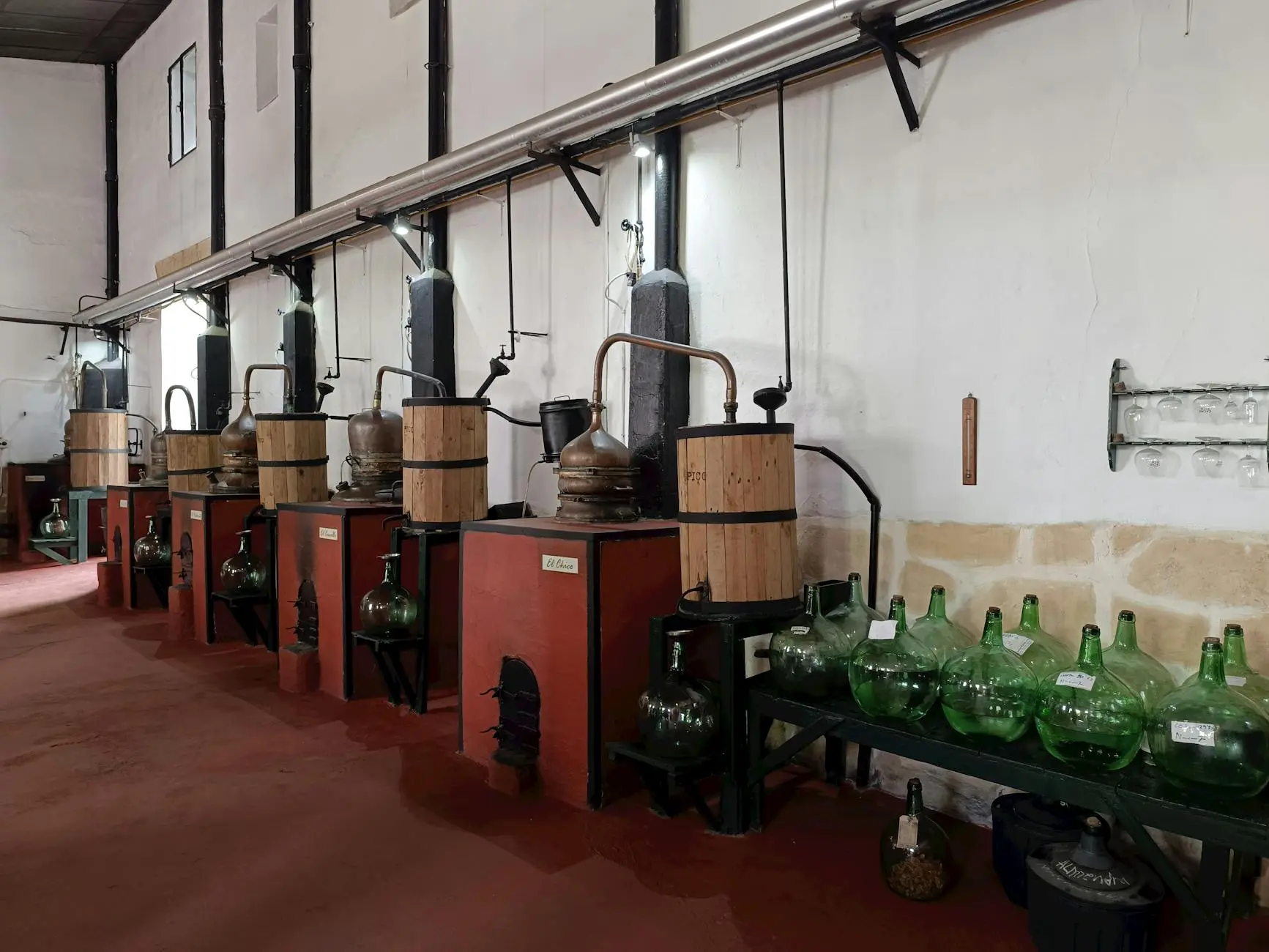
Once the mash is prepared and fermented, the next step is distillation. This process not only increases the alcohol content but also concentrates the flavors and aromas present in the wash.
Pot Still vs. Column Still
Scotch whisky can be distilled using either pot stills or column stills. Pot stills, traditionally used for single malt Scotch, are known for producing a richer and more complex spirit due to their batch distillation process. On the other hand, column stills, often used for blended Scotch, provide a higher alcohol yield and can create a lighter spirit.
Double Distillation: A Common Practice
Most Scotch whiskies undergo double distillation, which helps refine the spirit further. The first distillation separates the alcohol from the wash, while the second distillation purifies the spirit. This process contributes to the smoothness and character that Scotch whisky is renowned for.
Aging: The Key to Flavor Development
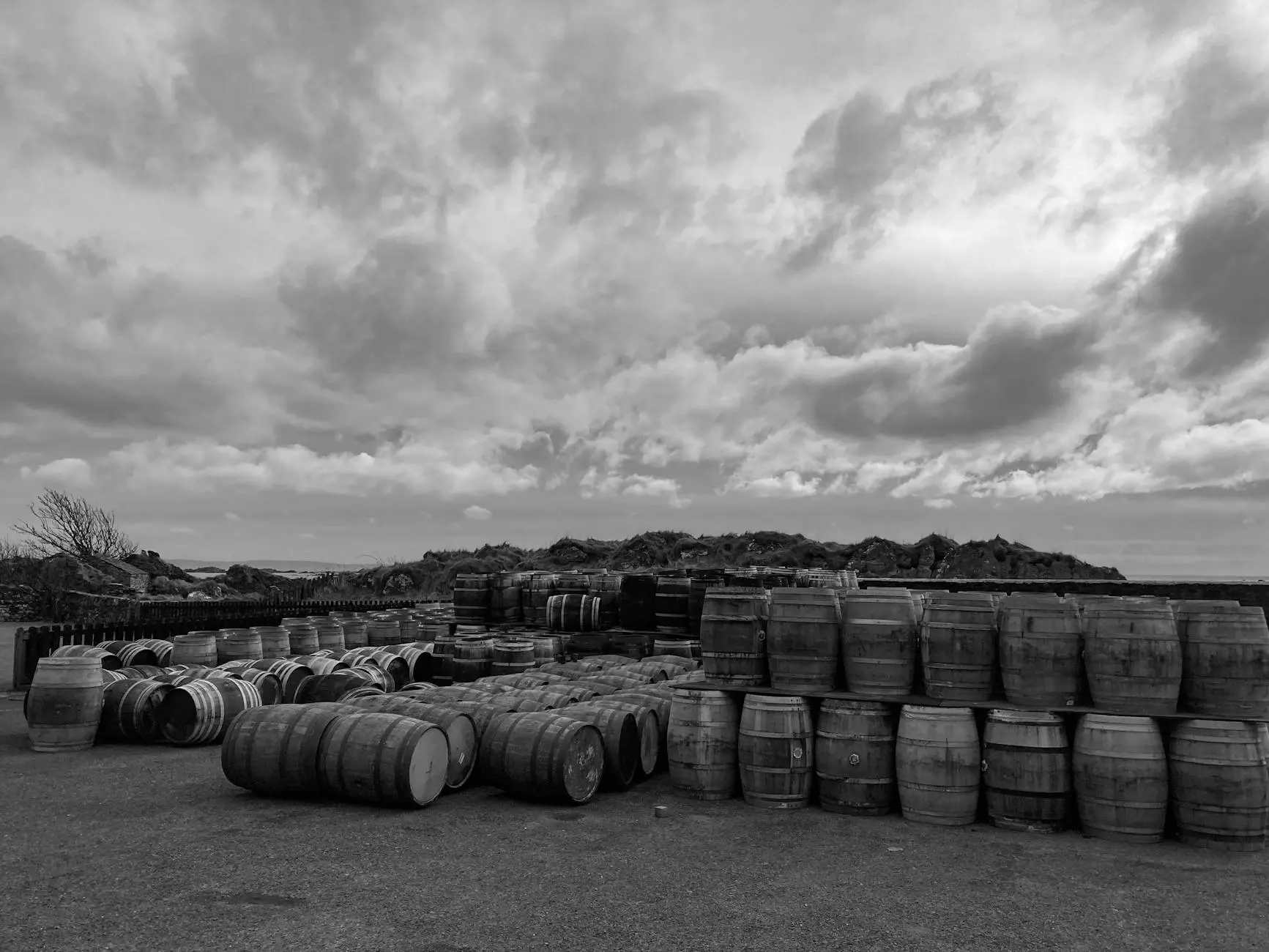
One of the most significant factors in what makes Scotch whisky unique is the aging process. Scotch must be aged for a minimum of three years in oak casks, but many whiskies are aged for much longer, allowing them to develop complex flavors.
The Role of Oak Casks
Oak casks are paramount in the maturation of Scotch whisky. The type of oak, whether American or European, and the previous contents of the cask (such as bourbon, sherry, or wine) can impart varied flavors. For instance, American oak often adds sweetness and vanilla notes, while European oak can provide spiciness and dried fruit character.
Environmental Impact
The environment in which the whisky is aged also plays a crucial role. Temperature fluctuations, humidity levels, and air quality all contribute to the whisky’s maturation process. This is why whiskies from different regions in Scotland, like Islay or Speyside, boast distinct flavor profiles.
The Flavor Profile of Scotch Whisky
Understanding what makes Scotch whisky exceptional involves appreciating its diverse flavor profiles. These can range from smoky and peaty to sweet and fruity, depending on the whisky’s origin and production methods.
Regional Influences
Scotch whisky is categorized into several regions, each with its unique characteristics:
- Highlands: Known for a wide range of flavors, from floral and fruity to rich and peaty.
- Speyside: Typically sweeter, with notes of apple, honey, and malt.
- Islay: Famous for its bold, peaty whiskies with smoky flavors.
- Lowlands: Generally lighter and more delicate, often with grassy and citrus notes.
- Campbeltown: Known for its complexity and maritime influence, often featuring briny and savory notes.
Tasting Notes: What to Look For
When tasting Scotch whisky, there are several key aspects to consider:
- Aroma: Take a moment to appreciate the whisky’s nose. Look for hints of fruit, spice, smoke, and oak.
- Taste: Take a small sip and let it coat your palate. Identify flavors such as caramel, vanilla, dried fruit, and herbs.
- Finish: Observe the aftertaste. A long, complex finish is often a sign of quality in Scotch whisky.
Conclusion: Embrace the World of Scotch Whisky
Understanding what makes Scotch whisky unique enhances the appreciation for this sophisticated spirit. From its carefully selected ingredients and intricate distillation process to the impact of aging and regional characteristics, each bottle tells its own story. Whether you’re new to whisky or a seasoned enthusiast, exploring Scotch can be an exciting journey filled with rich flavors and cultural heritage.
Ready to explore the world of Scotch whisky? Visit our selection at Pure Whisky and discover the perfect bottle to enhance your spirits collection. Cheers to your next tasting adventure!