



Introduction
If you’ve ever wondered, “is whisky scotch?” you’re not alone. This question often arises among both enthusiasts and newcomers to the world of spirits. Whisky and Scotch are terms that are frequently used interchangeably, but they actually have distinct definitions and characteristics. In this blog post, we’ll dive deep into the nuances of whisky and Scotch, exploring their origins, production methods, and what truly sets them apart. Understanding these differences can enhance your appreciation for these remarkable spirits and help you make informed choices the next time you’re browsing through your favorite whisky selection.
What is Whisky?
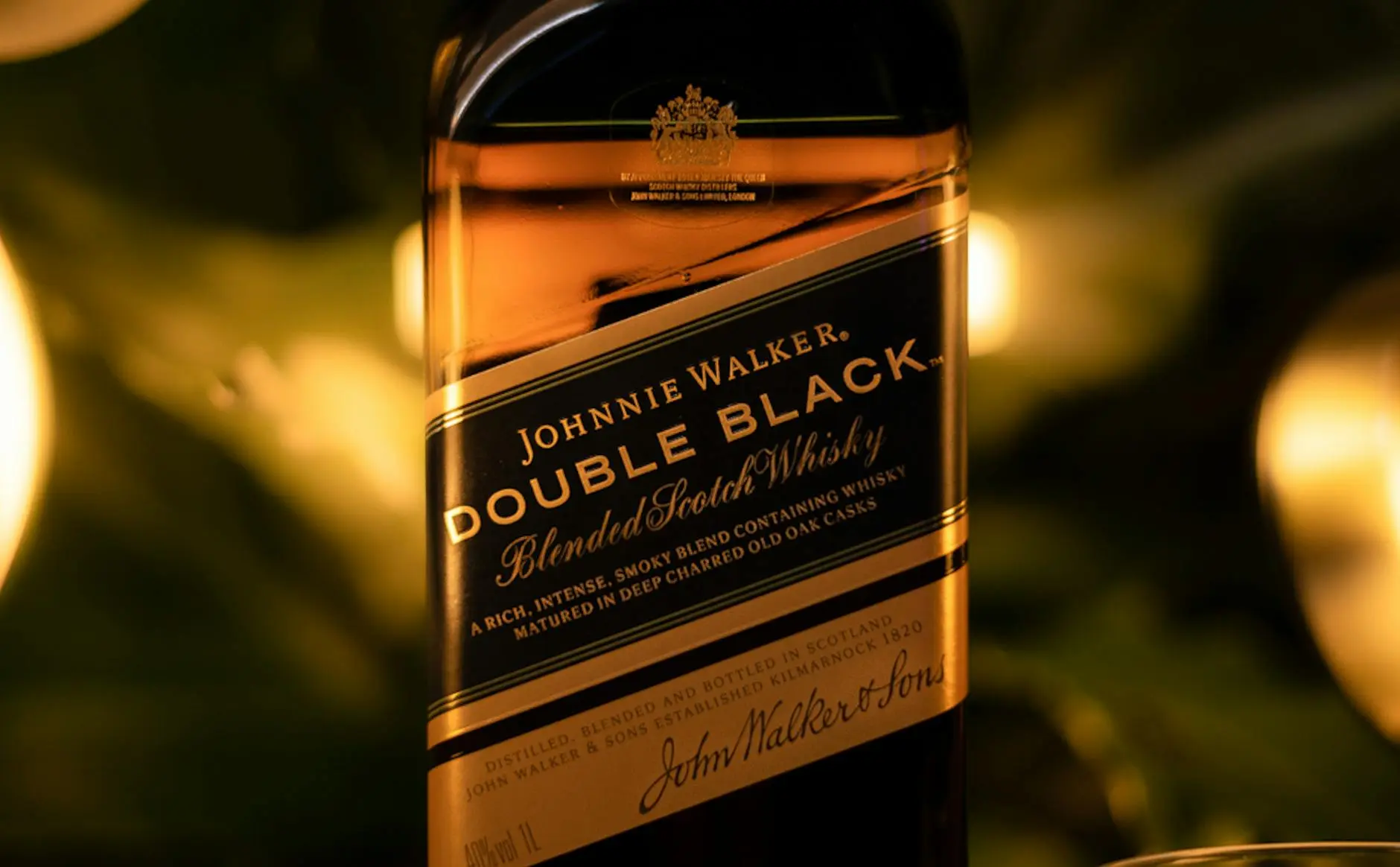
Whisky (or whiskey) is a distilled alcoholic beverage made from fermented grain mash. The grains used in whisky production can vary and may include barley, corn, rye, and wheat. The production process includes mashing, fermentation, distillation, and aging in wooden casks, typically made of oak. The flavor, aroma, and characteristics of whisky can vary significantly based on the grain used, the distillation process, and the aging conditions.
The Types of Whisky
Whisky can be categorized into several types based on the grain used and the country of origin:
- Scotch Whisky: Made in Scotland, typically from malted barley.
- Irish Whiskey: Made in Ireland, often triple-distilled for smoothness.
- Bourbon Whiskey: An American whiskey made primarily from corn.
- Rye Whiskey: Made from at least 51% rye grain, popular in the U.S. and Canada.
- Japanese Whisky: Inspired by Scotch, often known for its precision and quality.
What is Scotch?
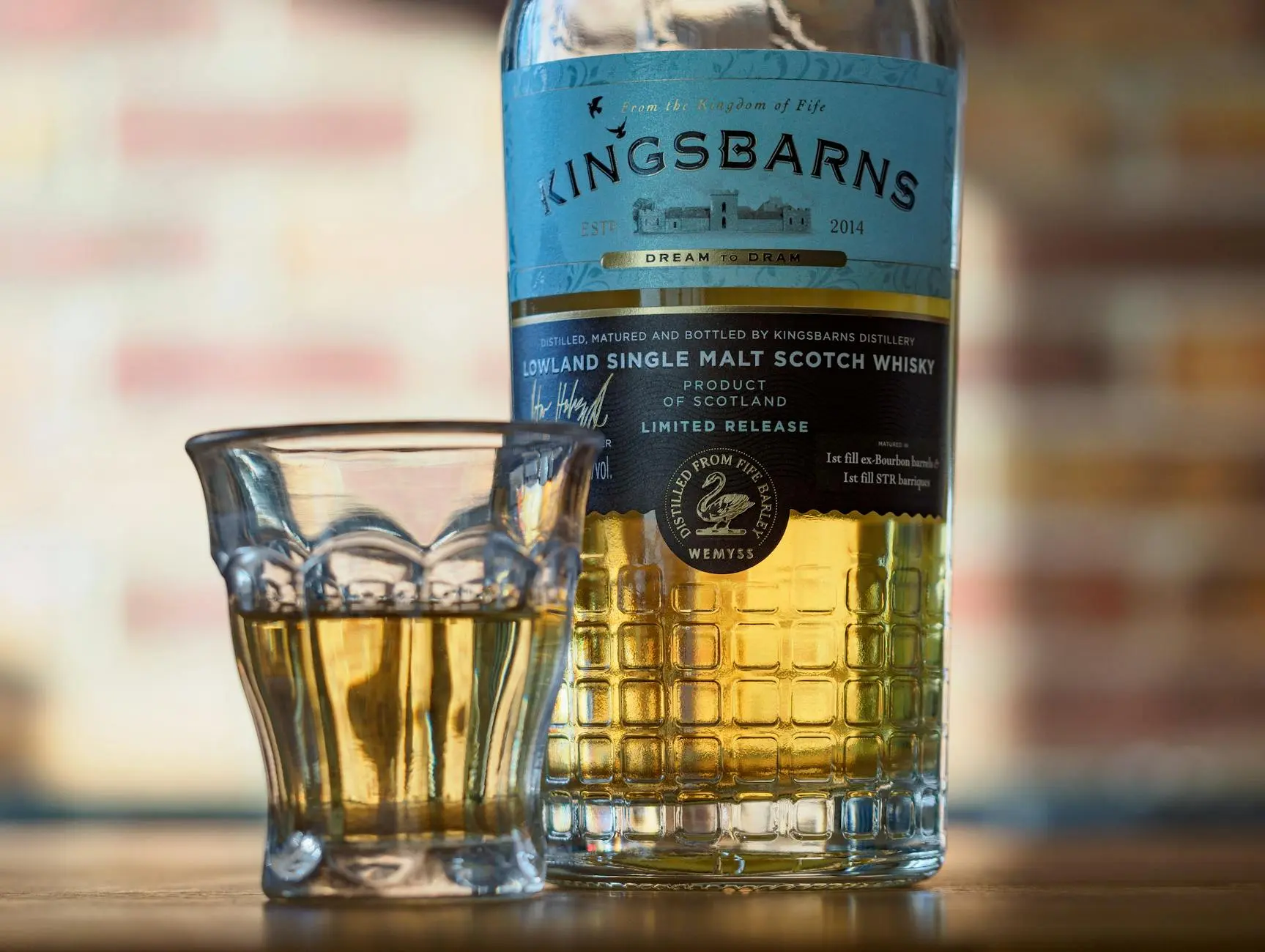
Scotch is a specific type of whisky that must be produced in Scotland. The term “Scotch” is protected by law, and there are strict regulations governing its production. For a spirit to be classified as Scotch, it must adhere to certain criteria, including:
- It must be made in Scotland.
- It must be distilled from malted barley or grain.
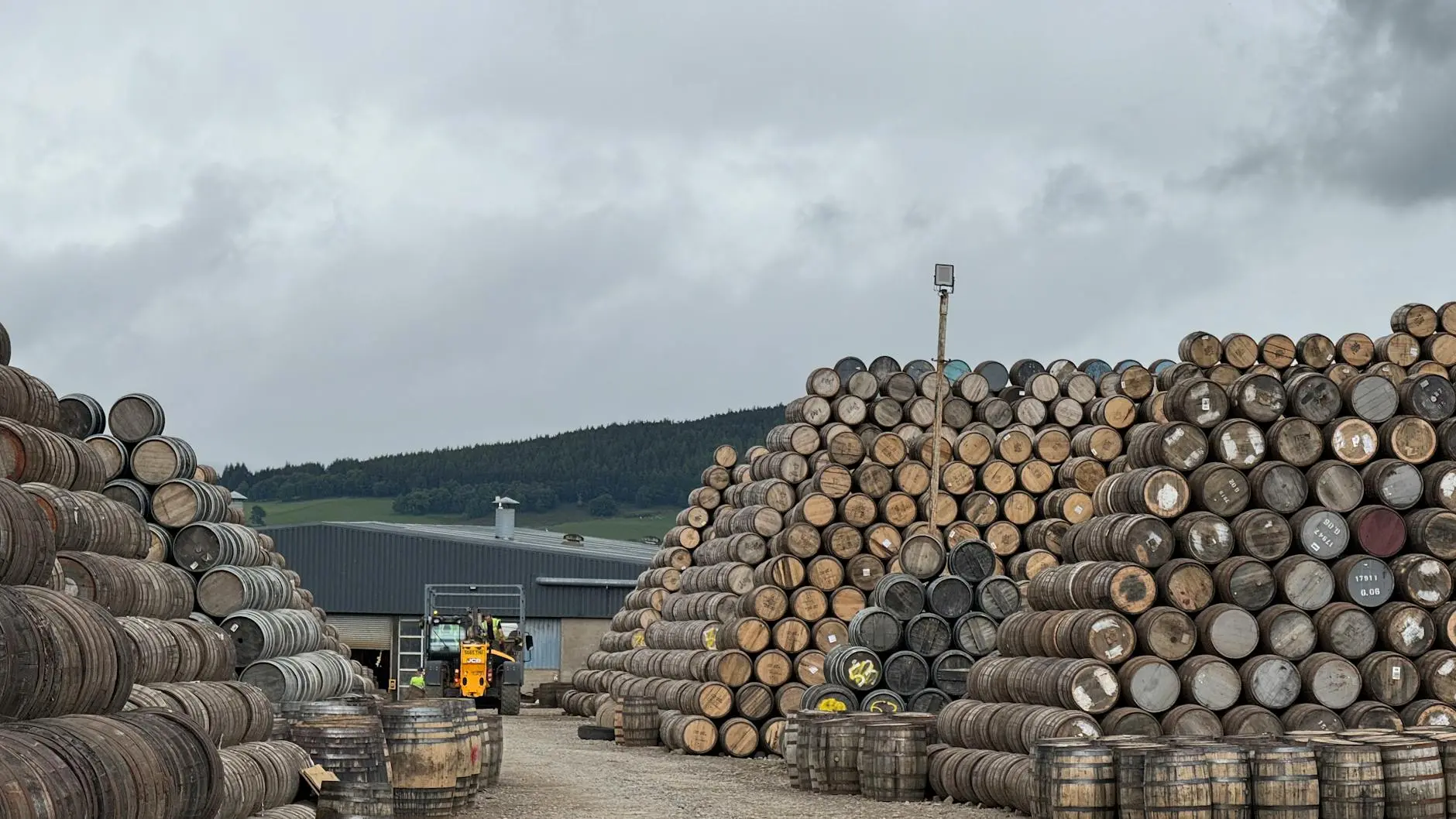
- It must be aged in oak casks for a minimum of three years.
The distinct flavor profile of Scotch can be influenced by factors such as the region of production, the type of barley used, and the aging process. There are several types of Scotch, including single malt Scotch, blended malt Scotch, and grain Scotch.
The Regions of Scotch Whisky
Scotch whisky is produced in several regions of Scotland, each known for its unique characteristics:
- Speyside: Known for its sweet and fruity flavor profile, Speyside is home to many famous distilleries.
- Highlands: This region produces a wide variety of whisky styles, often characterized by rich, robust flavors.
- Islay: Famous for its peaty and smoky whiskies, Islay offers a distinctive and intense flavor experience.
- Lowlands: Typically lighter and more delicate, Lowland whiskies are approachable to newcomers.
- Campbeltown: Once a thriving whisky hub, Campbeltown offers unique, maritime-influenced whiskies.
Key Differences Between Whisky and Scotch
While all Scotch is whisky, not all whisky is Scotch. Here are some key differences to help clarify the distinction between the two:
1. Geographic Origin
As previously mentioned, Scotch must be produced in Scotland. In contrast, whisky can be made globally, including in countries like Ireland, the United States, Canada, and Japan.
2. Ingredients
Scotch is primarily made from malted barley, whereas other types of whisky can use a variety of grains, such as corn or rye. This difference in ingredients contributes to the varied flavor profiles across different whisky types.
3. Distillation Process
Scotch whisky is typically distilled twice, although some distilleries may opt for triple distillation. Other types of whisky, like Irish whiskey, often undergo triple distillation to create a smoother finish.
4. Aging Requirements
Scotch must be aged for a minimum of three years, although many premium expressions are aged for much longer. Other whiskies, like bourbon, have different aging regulations and may not require a specific aging period.
Why Does it Matter?
Understanding the question “is whisky scotch” is important for appreciating the rich diversity in the world of spirits. Knowing the differences between various types of whisky can enhance your tasting experience, whether you’re enjoying a neat pour, a cocktail, or pairing your drink with food. If you’re a beginner, it’s worth exploring different types of spirits, including gin, rum, vodka, and wine, to discover what you enjoy most.
Conclusion
In summary, while all Scotch is whisky, not all whisky qualifies as Scotch. The origins, ingredients, and production methods create distinct variations that cater to diverse palates. As you continue your journey into the world of spirits, remember to explore and appreciate the unique qualities that each type brings to the table. For more information on whisky and other types of spirits, check out our extensive collection on our website. What’s your favorite type of whisky? Share your experiences in the comments below!