


Introduction
Have you ever wondered what whisky is made of? This beloved spirit is the result of a meticulous process that transforms simple ingredients into a complex and flavorful drink. Whisky is not just a drink; it’s a journey through time, culture, and craftsmanship. Whether you are a seasoned enthusiast or a beginner curious about whisky, understanding the ingredients and the craftsmanship behind this spirit can enhance your appreciation. In this blog post, we’ll explore the core ingredients of whisky, the craftsmanship involved in its production, and how these factors contribute to the diverse styles of whisky available today.
The Core Ingredients of Whisky
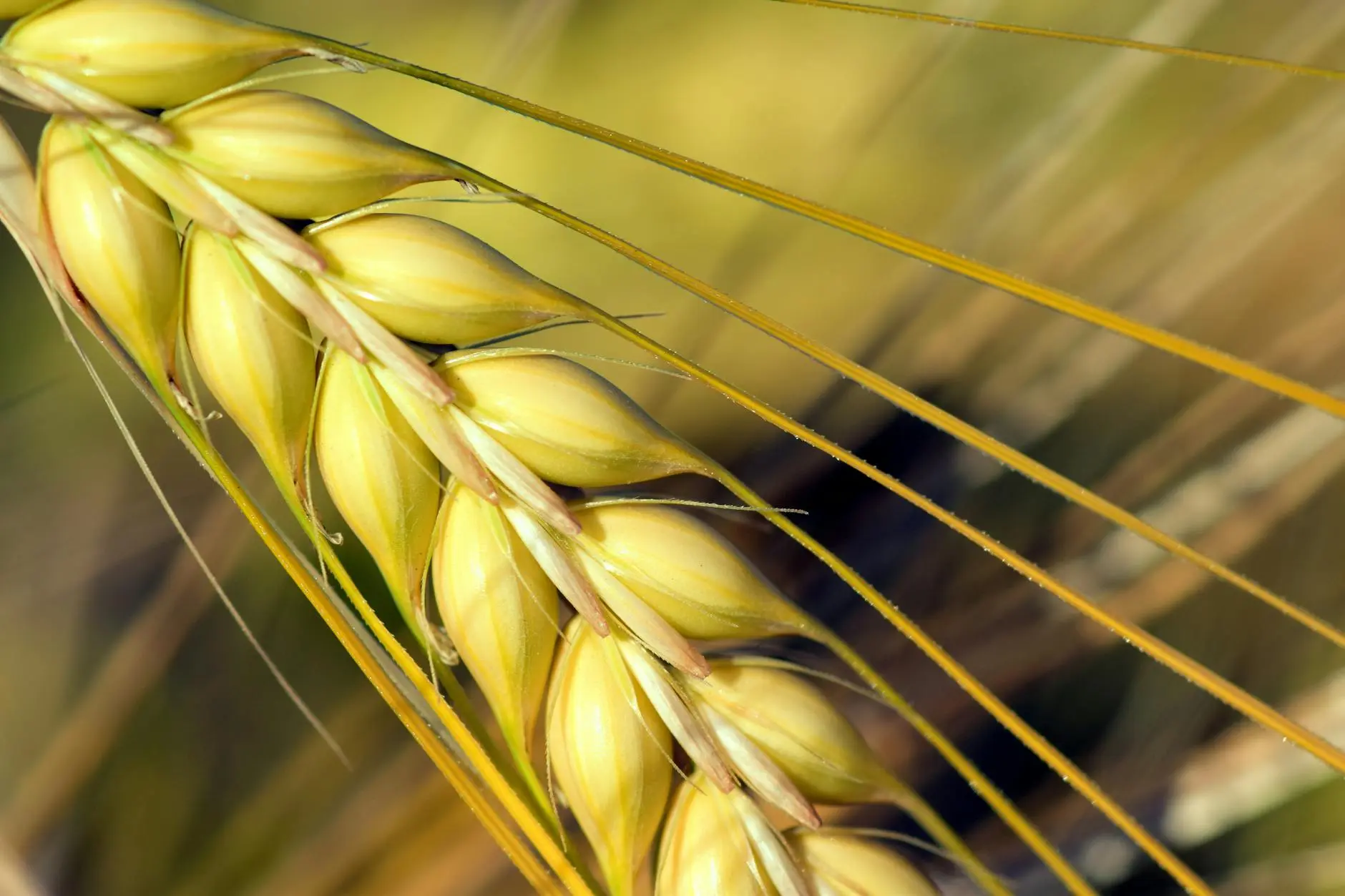
Whisky is primarily made from just three main ingredients: water, grains, and yeast. Each of these elements plays a crucial role, influencing the flavor, aroma, and character of the final product.
Water
Water is a vital component of whisky production, influencing both the fermentation process and the final product’s flavor profile. The source of the water can significantly affect the whisky’s quality, as minerals and other properties can impart unique characteristics. Many distilleries pride themselves on using pure spring water sourced from the local area, which contributes to the authenticity and terroir of the whisky.
Grains
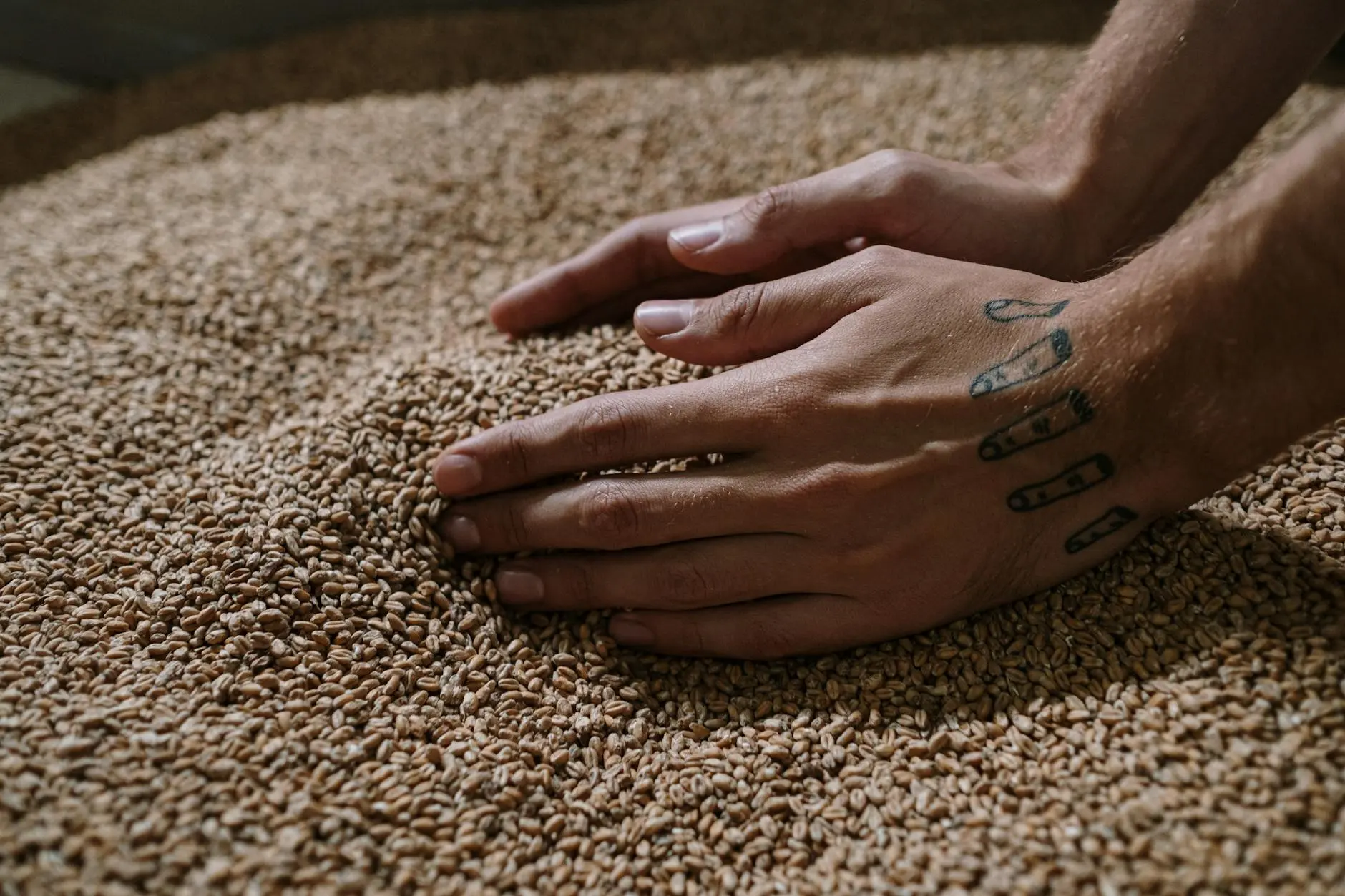
The type of grain used is perhaps the most significant factor in determining the style of whisky produced. Here are the primary grains used:
- Barley: Most commonly used in Scotch whisky, barley can be malted to produce malt whisky.
- Corn: Predominantly used in American whiskies such as bourbon, corn provides a sweeter flavor.
- Rye: Known for its spicy profile, rye is often used in Canadian and American rye whiskies.
- Wheat: This grain is sometimes used in blends to soften the flavor and enhance smoothness.
The choice of grain not only defines the whisky’s style but also affects its mouthfeel and complexity. For instance, you can explore the unique profiles of Scotch whisky and bourbon whiskey to see how different grains impact flavor.
Yeast
Yeast is the magic ingredient that converts sugars from the grains into alcohol through fermentation. The type of yeast used can influence the flavor profile and aroma of the whisky dramatically. Distilleries often cultivate their own strains of yeast, which can create signature flavors unique to their whisky. Some distillers experiment with wild yeasts or different fermentation techniques to produce innovative flavor profiles.
The Distillation Process
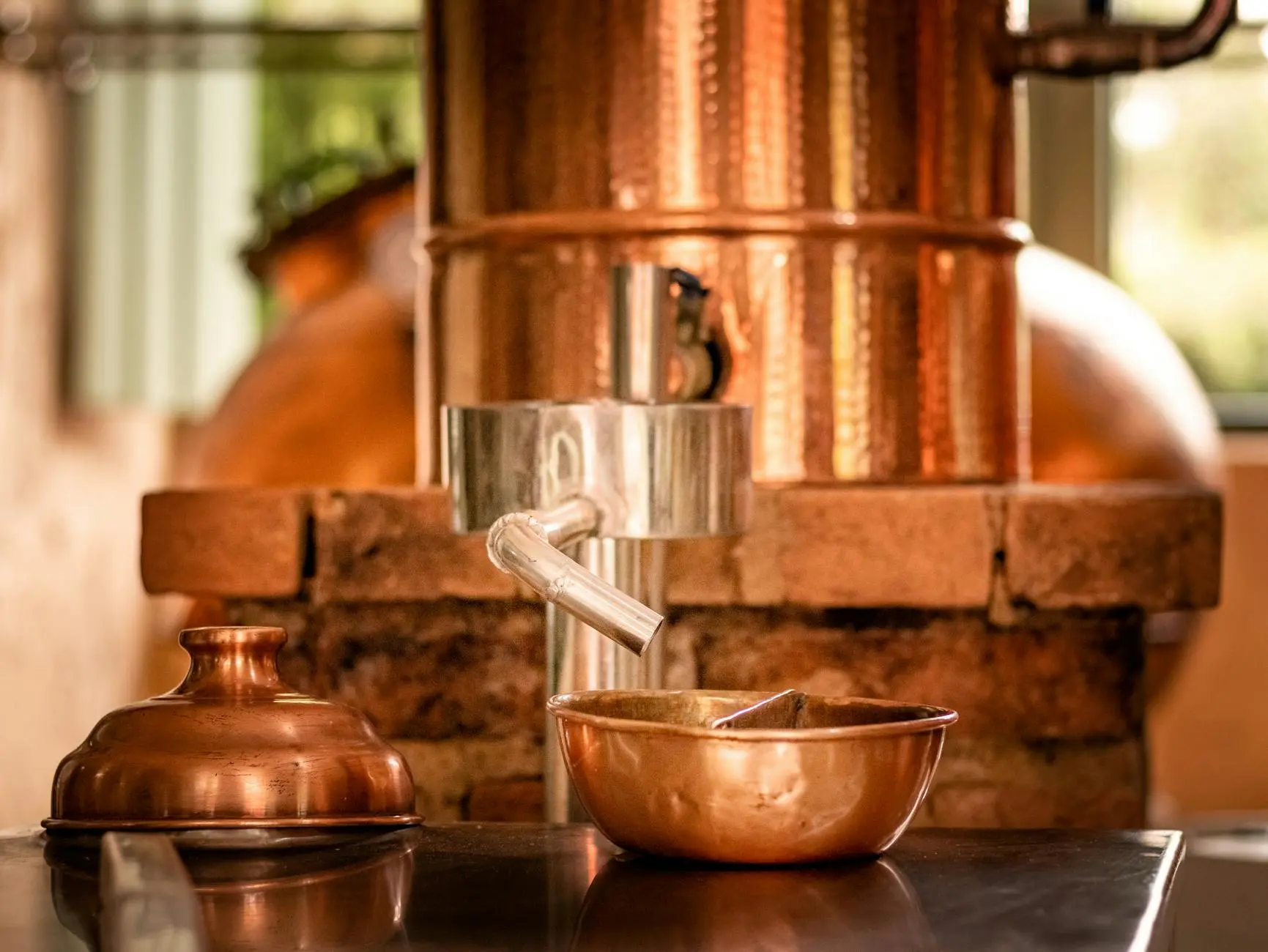
Once the fermentation is complete, the next stage in whisky production is distillation. This is where the magic truly happens, as the mixture is heated to separate alcohol from water and other components.
Pot Still vs. Column Still
Whisky can be distilled using two primary methods: pot stills and column stills.
- Pot Stills: Traditional pot stills are often used in the production of single malt whisky. This method allows for a slower distillation process, resulting in a richer and more complex flavor.
- Column Stills: Column stills are typically used for grain whiskies and allow for continuous distillation. This process can produce higher alcohol content and is often used for blended whiskies.
The choice of distillation method affects the final character and complexity of the whisky. The craftsmanship involved in distillation is one reason why certain whiskies, such as Scottish single malt whisky or Scotch blended malt whisky, are revered worldwide.
Aging and Maturation
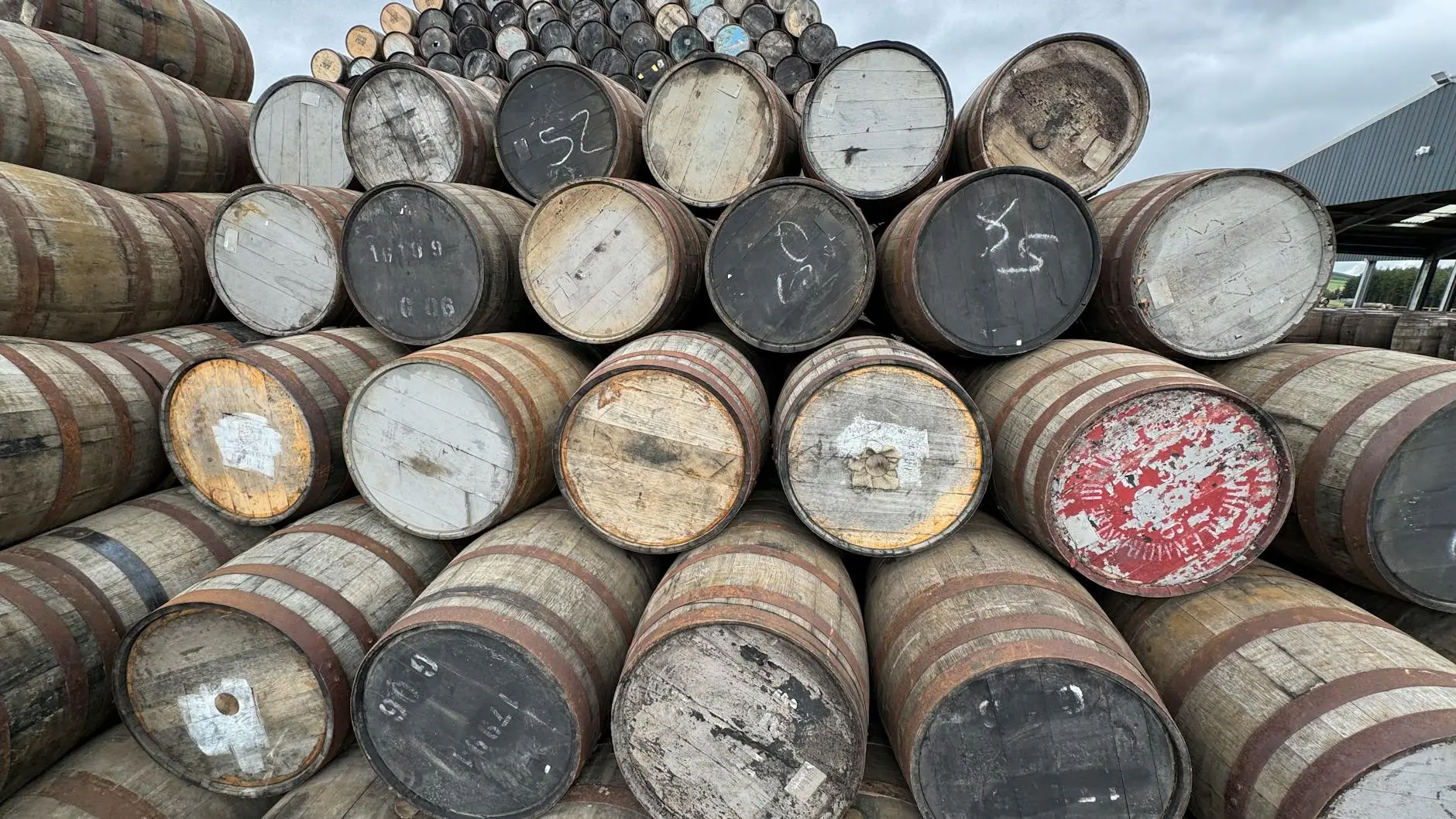
Once distilled, whisky is placed in wooden casks for aging, which is a pivotal step in developing its flavors and aromas. The type of wood, previous contents of the cask, and duration of aging all play critical roles.
The Role of Casks
Most whiskies are aged in oak barrels, which contribute flavors from the wood itself. Common types of casks include:
- American Oak: Often used for bourbon, this oak imparts vanilla and caramel notes.
- European Oak: Commonly used for sherry cask maturation, it provides rich and fruity flavors.
- Japanese Oak: Used occasionally, it adds a unique complexity to whisky.
The aging process allows the whisky to interact with the wood, extracting flavors and aromas while also mellowing harsh notes. This is why age statements, such as “12 years” or “18 years,” are often highlighted on bottles, reflecting the whisky’s time in the cask.
Understanding Whisky Styles
As you delve deeper into the world of whisky, you’ll discover various styles influenced by the ingredients and craftsmanship. Here are a few to explore:
- Scotch Whisky: Made primarily from malted barley and aged for at least three years in oak barrels.
- Irish Whiskey: Typically triple distilled for smoothness, often made from a mix of malted and unmalted barley.
- Bourbon: Requires at least 51% corn and must be aged in new charred oak barrels.
- Rye Whiskey: Must contain at least 51% rye grain, known for its spicy flavor profile.
Each whisky style tells a story of its origin, ingredients, and the craftsmanship involved in its making. Exploring these variations can lead to delightful discoveries and broaden your palate.
Conclusion
Understanding what whisky is made of is essential for anyone looking to appreciate this timeless spirit fully. From the sourcing of the finest grains and pure water to the delicate fermentation and aging processes, every step of whisky production reflects a deep-rooted craftsmanship that has been perfected over centuries. So whether you’re savoring a glass neat, exploring cocktail recipes, or searching for the perfect gift for a whisky lover, your knowledge of the ingredients and craftsmanship will surely enhance your experience.
Ready to elevate your whisky journey? Explore our tasting guides, buying advice, and expert tips on our site, and don’t forget to share your favorite whisky experience with us!