


Introduction
Whisky enthusiasts often find themselves wondering, how long does whisky last once opened? This question is critical for those who want to savor their favorite spirits without compromising quality. Once a bottle of whisky is opened, the clock starts ticking, but the timeline can vary based on several factors. Understanding these can help you enjoy your whisky just the way it was meant to be — full of flavor and character. In this blog post, we will explore the lifespan of whisky after it has been opened, preservation methods, and practical tips to ensure you get the most out of every drop.
Understanding Whisky’s Composition
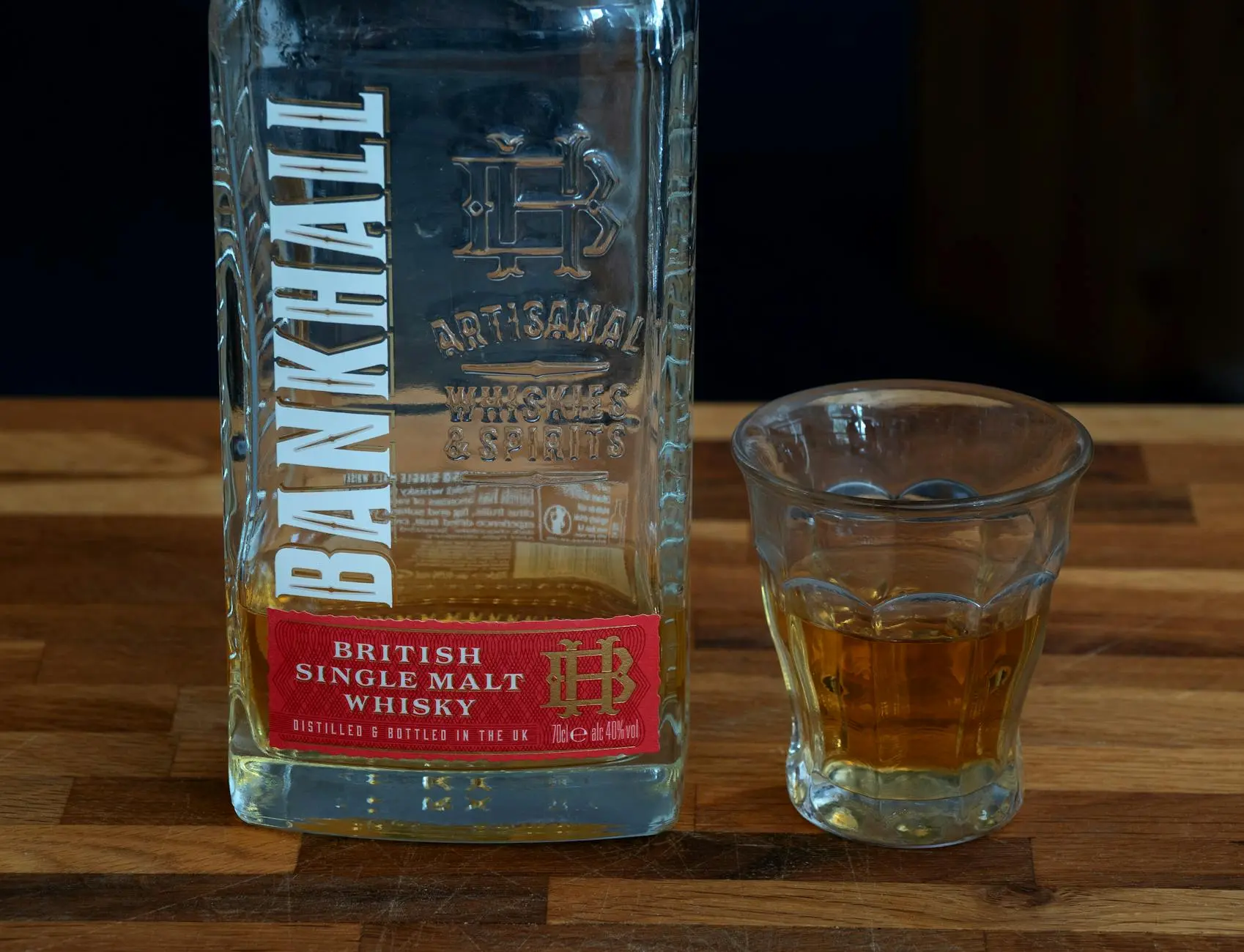
Before diving into how long whisky lasts once opened, it’s important to understand what whisky is made of. Whisky is primarily composed of water, alcohol, and various compounds that contribute to its flavor and aroma. These compounds, including esters, phenols, and aldehydes, interact with each other and the air once the bottle is opened, affecting the whisky’s longevity.
The Role of Oxygen
Oxygen is a double-edged sword when it comes to whisky. While it can help in the development of flavors, excessive exposure can lead to oxidation, which may degrade the whisky’s quality over time. The rate of oxidation increases once the bottle is opened, making it crucial to control the whisky’s exposure to air.
How Long Does Whisky Last Once Opened?
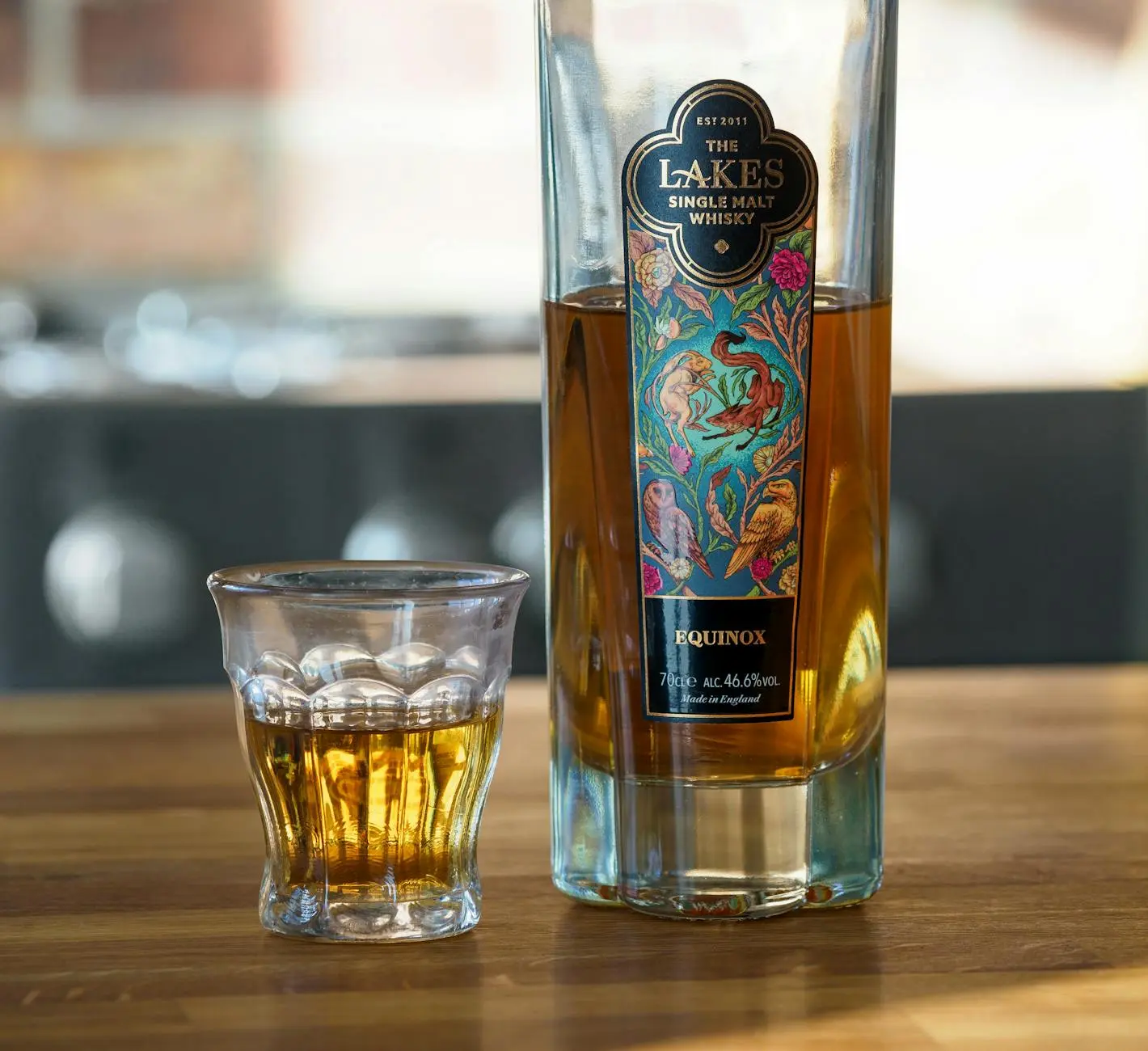
On average, once a bottle of whisky has been opened, it can last anywhere from 1 to 5 years, depending on various factors such as the type of whisky, storage conditions, and the amount of whisky remaining in the bottle. Here’s a general breakdown:
- Full bottle (90% full): 3–5 years
- Half-full bottle: 1–3 years
- Quarter-full bottle: 6 months to 1 year
Factors Affecting Whisky Longevity
Several factors can influence how long whisky lasts once opened. Understanding these can help you make informed choices about storage and consumption:
- Bottle Size: Larger bottles have a smaller surface area to volume ratio, which slows down oxidation compared to smaller bottles.
- Storage Conditions: Whisky should be stored in a cool, dark place, away from direct sunlight and temperature fluctuations.
- Seal Integrity: Ensure the bottle cap or cork is tightly sealed after use to minimize air exposure.
Essential Tips for Preserving Opened Whisky
To maximize the lifespan of your opened whisky, consider the following preservation methods:
1. Store Upright
Unlike wine, whisky should be stored upright. This prevents the cork from becoming saturated, which can introduce unwanted flavors into the whisky.
2. Use a Smaller Bottle
If you have a bottle that is less than half full, consider transferring the whisky to a smaller bottle. This reduces the amount of air in contact with the whisky, slowing down oxidation.
3. Control Temperature
Whisky should be stored in a stable environment, ideally between 15-20°C (59-68°F). Avoid places with extreme temperature fluctuations, such as near heaters or in direct sunlight.
4. Limit Light Exposure
Ultraviolet (UV) light can break down the compounds in whisky, affecting its flavor and aroma. Store your whisky in a dark cabinet or in a boxed set to shield it from light.
5. Oxygen Absorbers
Consider using an oxygen absorber, which can be placed inside the bottle to help reduce oxidation. These are particularly useful for those who may not finish a bottle for an extended period.
Recognizing Changes in Quality
As whisky ages after being opened, it may undergo changes in flavor and aroma. Here are some signs that your whisky may have degraded:
- Off-smells: If your whisky emits a strange or unpleasant odor, it may have gone bad.
- Flavor Deterioration: A noticeable flatness or lack of complexity indicates that the whisky has lost its character.
- Color Changes: While some color change can be normal, significant darkening or cloudiness may be a sign of spoilage.
Conclusion
In summary, knowing how long whisky lasts once opened is essential for every whisky lover. By understanding the factors that affect its longevity and employing the right preservation methods, you can ensure that each pour maintains its intended quality. So, whether you’re sipping on a fine Scotch whisky or an artisanal Japanese whisky, follow these tips to enjoy it at its best.
If you found this guide helpful, be sure to explore our other articles for in-depth insights on whisky styles, tasting guides, and expert tips. Cheers to enjoying your whisky to the fullest!