


📋 Key Takeaways
- Rum is distilled from sugarcane or molasses.
- There are various types of rum, including white, dark, and spiced.
- Rum is primarily produced in the Caribbean, but its popularity has spread globally.
- It can be enjoyed neat, in cocktails, or as a base for various drinks.
- Understanding rum’s flavor profiles can enhance your tasting experience.
- Rum is distilled from sugarcane or molasses.
- There are various types of rum, including white, dark, and spiced.
- Rum is primarily produced in the Caribbean, but its popularity has spread globally.
- It can be enjoyed neat, in cocktails, or as a base for various drinks.
- Understanding rum’s flavor profiles can enhance your tasting experience.
Rum is one of the most versatile spirits in the world, known for its rich history and diverse flavor profiles. From the lively beaches of the Caribbean to the bustling bars of major cities, rum has carved a niche for itself as a beloved choice among spirit enthusiasts. Whether you prefer your rum neat, mixed, or in a cocktail, understanding its origins, types, and uses can significantly enhance your appreciation of this classic spirit. In this article, we will explore everything you need to know about rum, from its production methods to tasting notes and cocktail recipes.
📑 Table of Contents
What is Rum?
Rum is a distilled alcoholic beverage made from sugarcane byproducts, primarily molasses. Its production involves fermenting sugarcane juice or molasses, which is then distilled and aged in barrels. The aging process allows rum to develop its unique flavors, which can vary significantly based on the type of sugarcane used, the fermentation process, and the length of aging.
The History of Rum
Rum’s roots can be traced back to the 17th century when it was first produced in the Caribbean. The slave trade played a significant role in rum production, as sugarcane plantations relied on enslaved laborers. Today, rum is celebrated for its cultural significance and is often associated with Caribbean festivities.
Types of Rum
There are several types of rum, each with distinct characteristics:
White Rum
White rum is clear and typically unaged or aged for a short period. It has a light flavor and is commonly used in cocktails such as mojitos and daiquiris.
Dark Rum
Dark rum is aged longer in charred barrels, giving it a rich, complex flavor. It is often enjoyed neat or used in cocktails like dark ‘n’ stormy.
Spiced Rum
Spiced rum is infused with various spices and flavorings, such as vanilla, cinnamon, and cloves. This type of rum adds an aromatic twist to cocktails and can be enjoyed on its own or mixed.
The Production Process
The production of rum involves several key steps:
Fermentation
The fermentation process begins with the conversion of sugarcane juice or molasses into alcohol by yeast. This process can take anywhere from a few days to a week, depending on the desired flavor profile.
Distillation
Once fermentation is complete, the liquid is distilled to separate the alcohol from the remaining sugar and impurities. This process is crucial for determining the final alcohol content and flavor of the rum.
Aging
Aging is where rum truly develops its complexity. Most rums are aged in oak barrels, which can impart flavors such as vanilla, caramel, and spice. The aging process can last from a few months to several years.
How to Taste Rum
Tasting rum is an art that involves engaging your senses to appreciate its full complexity:
Visual Assessment
Begin by observing the color of the rum, which can range from crystal clear to deep amber. The hue can give you insights into its age and potential flavor profile.
Aroma
Swirl the rum gently in your glass to release its aromas. Take a moment to inhale the scents, noting any fruity, spicy, or sweet notes.
Tasting
Take a small sip and let the rum roll over your palate. Pay attention to the initial flavor, mid-palate complexity, and finish. Note any changes in taste as the rum lingers in your mouth.
Pro Tip: To fully appreciate the nuances of rum, consider tasting it at different temperatures. Chilling it can enhance certain flavors, while warming it up can reveal hidden notes.
Popular Rum Cocktails
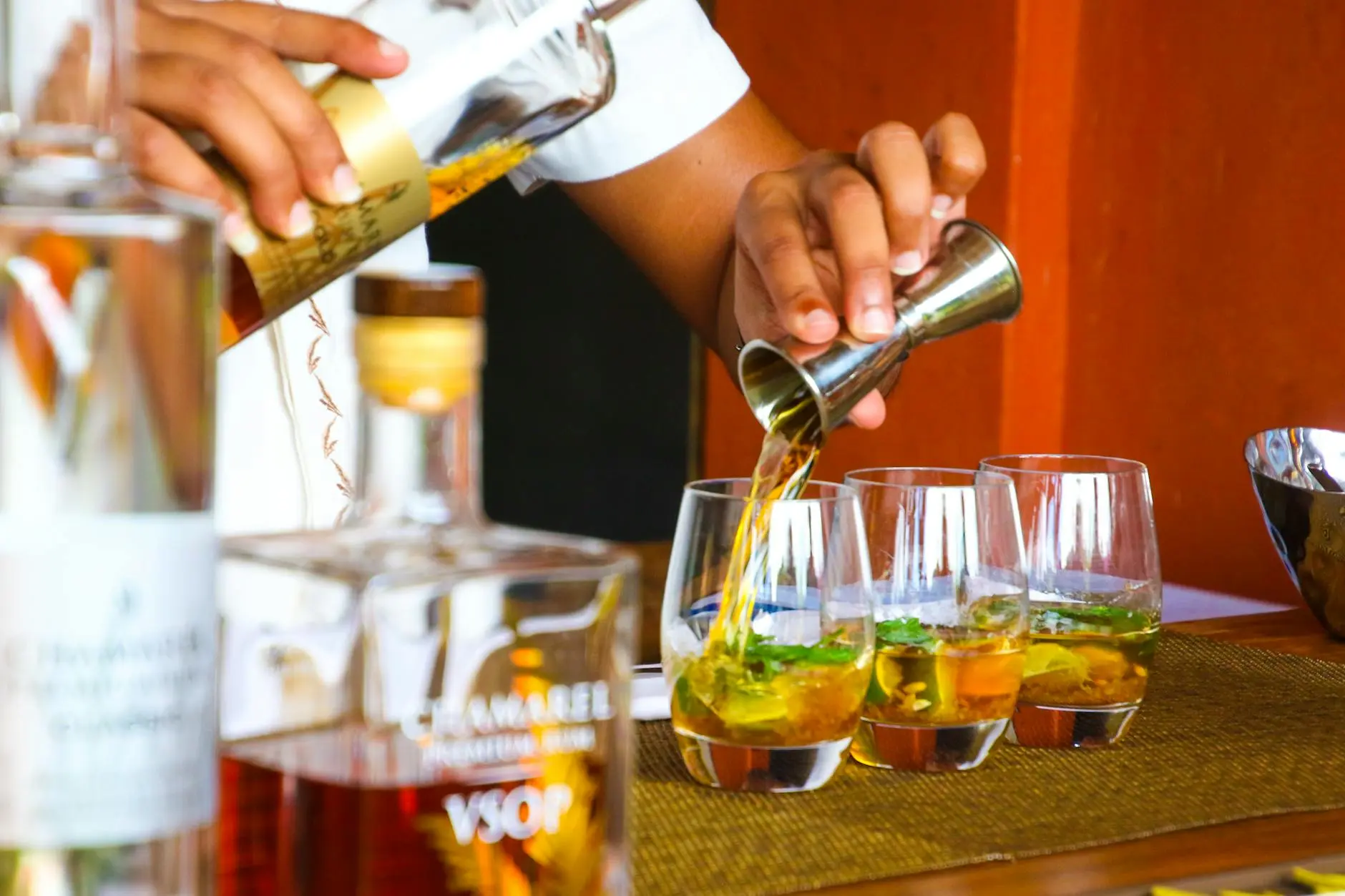
Rum’s versatility makes it a key ingredient in many cocktails. Here are a few classics:
Mojito
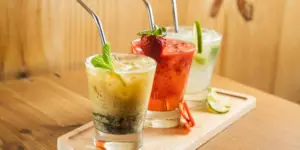
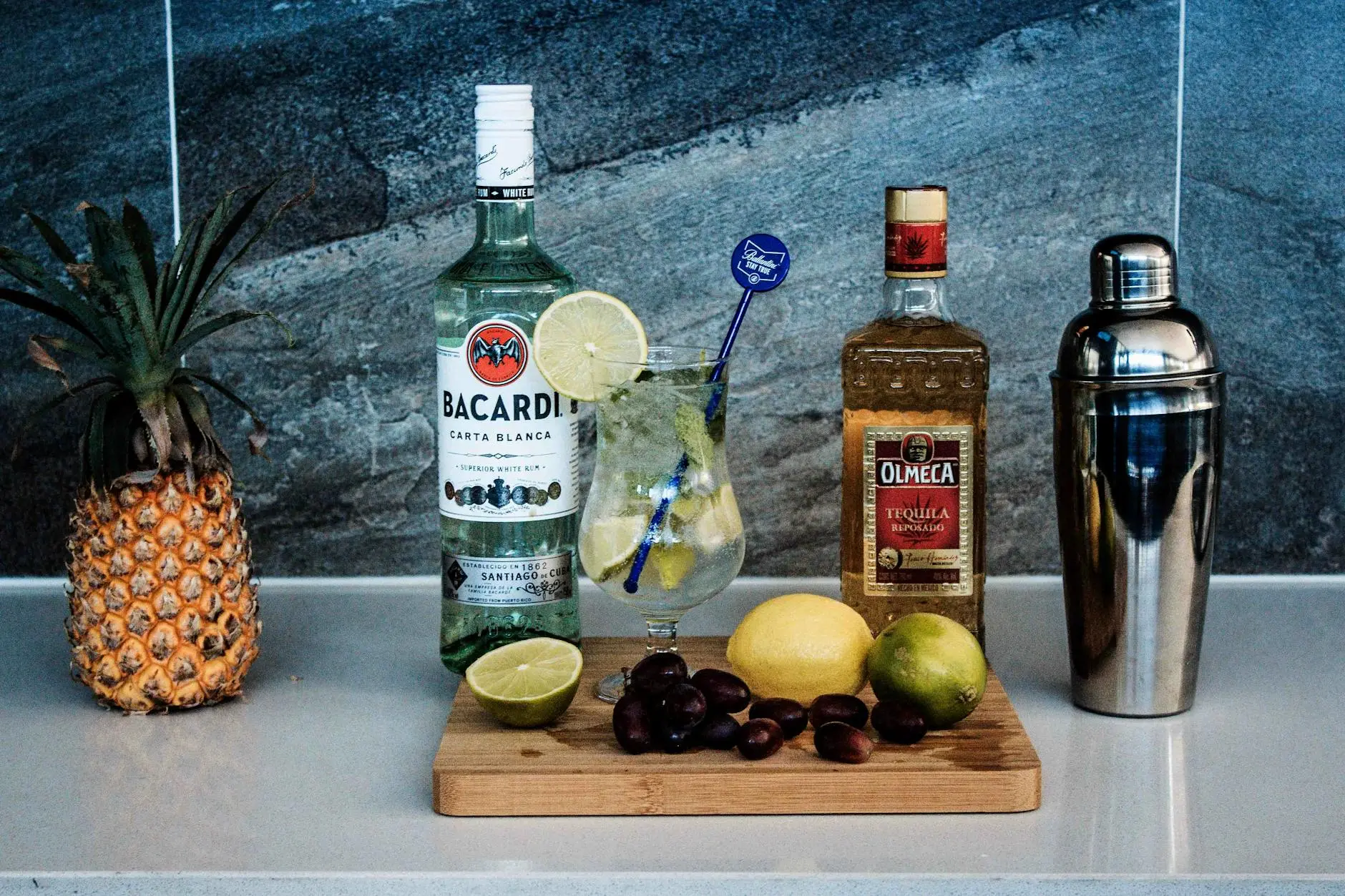
A refreshing blend of white rum, lime juice, mint leaves, sugar, and soda water, the mojito is perfect for summer sipping.
Daiquiri
This simple yet delicious cocktail combines white rum, lime juice, and sugar, making it a favorite among cocktail lovers.
Pina Colada
For those who enjoy tropical flavors, the piña colada is a delightful mix of rum, coconut cream, and pineapple juice, perfect for beach days.
Warning: Always drink responsibly. Rum can be quite potent, especially in cocktails with added sugars and mixers.
Conclusion
Rum is a classic spirit with a rich history and diverse range of flavors. Whether you’re sipping on a dark rum neat or mixing up a refreshing mojito, understanding the different types, production processes, and tasting techniques can greatly enhance your experience. Next time you’re in the mood for a drink, consider exploring the world of rum – you might just discover a new favorite!
❓ Frequently Asked Questions