


Introduction
When diving into the world of spirits, many newcomers often ask, what is a whisky? This beloved beverage has a rich history, a variety of styles, and a unique production process that makes it a favorite among connoisseurs and casual drinkers alike. Understanding whisky can significantly enhance your appreciation for this complex spirit. In this beginner’s guide, we will explore the basics of whisky, its types, production methods, and how to enjoy it.
The Basics of Whisky
Whisky, or whiskey, refers to a distilled alcoholic beverage made from fermented grain mash. The grains used can include barley, corn, rye, and wheat, each contributing to the overall flavor profile of the final product. The spelling varies: while whisky is commonly used in Scotland and Canada, whiskey is primarily used in Ireland and the United States.
The Distillation Process
To understand what is a whisky, it’s essential to know how it’s made. The basic steps in whisky production include:
- Mashing: Grains are ground and mixed with hot water to convert starches into fermentable sugars.
- Fermentation: Yeast is added to the mash to ferment the sugars, producing alcohol.
- Distillation: The fermented liquid, known as “wash,” is distilled to separate the alcohol from the water and other components.
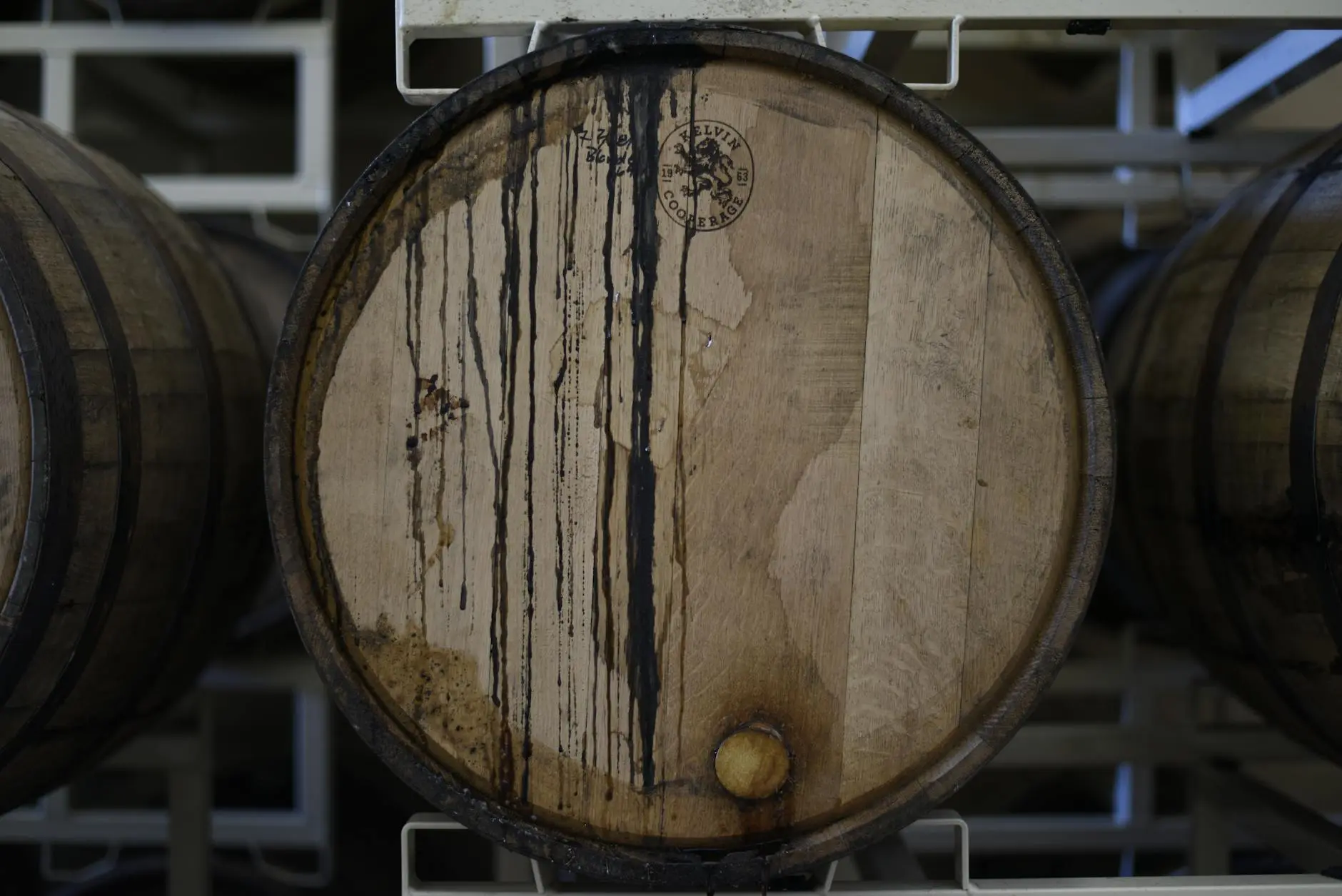
- Aging: The distilled spirit is then aged in wooden casks, typically made of oak, which imparts flavor and color.
Types of Whisky

Once you grasp the basics of what is a whisky, the next step is to explore its various types. Each type reflects unique regional and production characteristics.
Scotch Whisky
Scotch whisky must be made in Scotland and aged for a minimum of three years. There are two primary categories:
- Single Malt: Made from 100% malted barley at a single distillery.
- Blended Scotch: A mix of malt and grain whiskies from different distilleries.
For those interested in learning more, you can delve into the world of Scotch whisky to understand its rich traditions further.
Irish Whiskey
Like Scotch, Irish whiskey must be produced in Ireland. It is typically triple distilled, resulting in a smoother flavor. The main types include:
- Single Malt: Made from 100% malted barley.
- Single Pot Still: A mix of malted and unmalted barley.
- Blended Whiskey: A blend of different types of whiskey.
Bourbon Whiskey
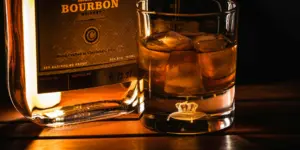
Bourbon is a type of American whiskey made primarily from corn (at least 51%). It is known for its sweet flavor profile, often featuring notes of vanilla and caramel. To be classified as bourbon, it must be aged in new charred oak barrels.
Rye Whiskey
Rye whiskey is another American variety made from a mash bill of at least 51% rye grain. It features a spicier flavor profile compared to bourbon.
World Whisky
Whisky production has expanded globally, leading to exciting varieties from countries like Japan, India, and Taiwan. Each region brings its unique twist to the whisky-making process. If you want to explore some of these exciting options, check out our section on world whisky.
Tasting and Enjoying Whisky
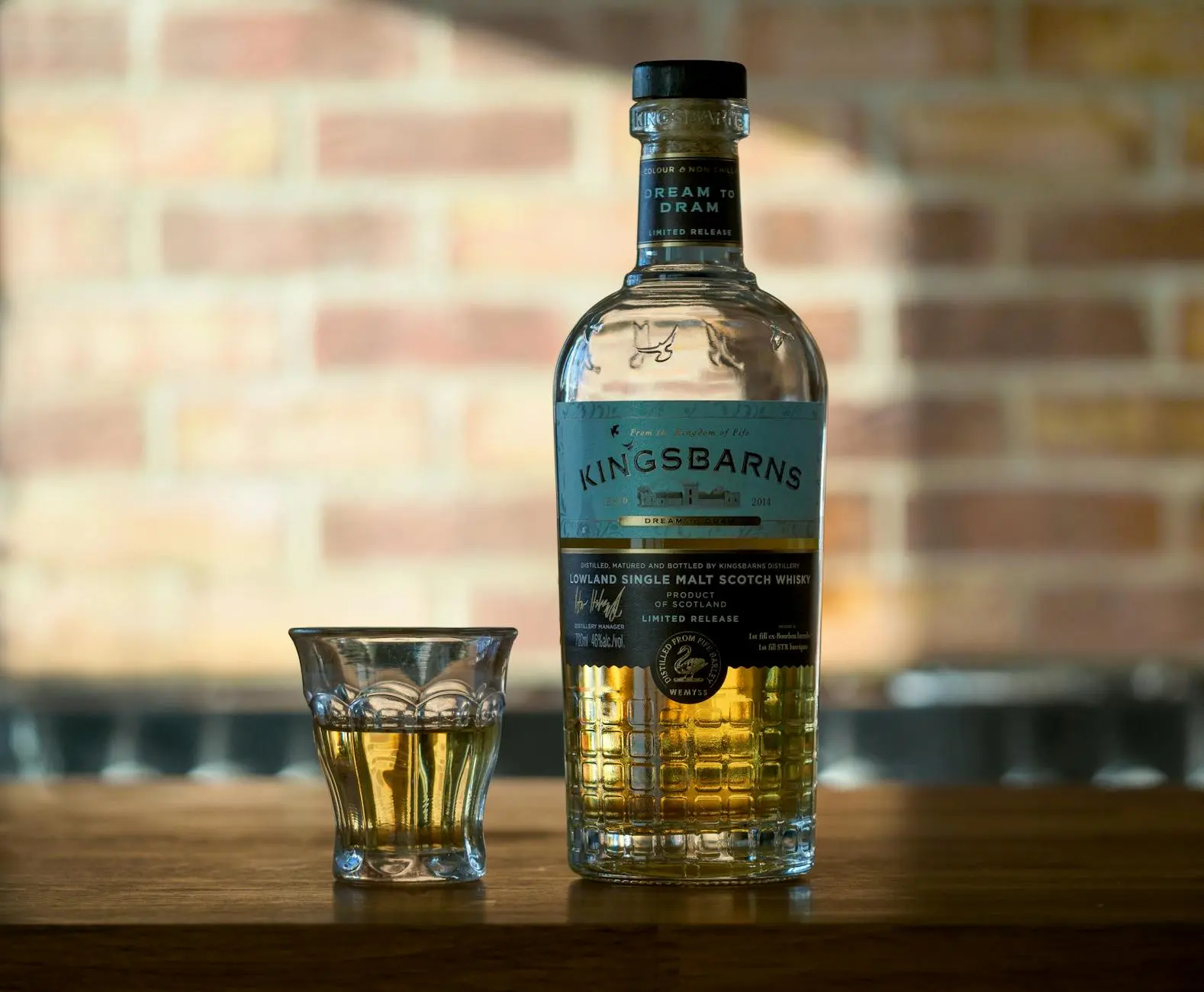
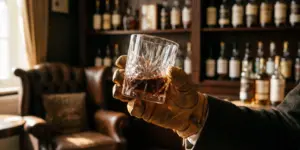
Once you have a better understanding of what is a whisky and the different types available, it’s time to learn how to taste and enjoy this spirit properly.
Choosing the Right Glass
Using the right glass enhances the whisky tasting experience. Common choices include:
- Glencairn Glass: Designed specifically for whisky, it focuses the aroma.
- Rocks Glass: The classic choice for serving whisky on the rocks.
- Highball Glass: Ideal for whisky mixed with soda or other mixers.
Tasting Techniques
To fully appreciate whisky, consider the following steps:
- Observe: Look at the color, which can indicate age and cask type.
- Swirl: Gently swirl the glass to release aromas.
- Smell: Inhale deeply to identify different scents.
- Taste: Take a small sip and let it roll over your palate before swallowing.
Common Misconceptions About Whisky
As you explore what is a whisky, it’s important to address some common misconceptions:
- All whisky is the same: Different grains, regions, and production methods create unique flavors.
- Whisky must be served neat: While many prefer it that way, adding water or ice can enhance flavors.
- Older is always better: Age can influence flavor, but personal preference plays a crucial role.
Conclusion
Understanding what is a whisky opens up a world of flavor and tradition that can enhance your appreciation for this remarkable spirit. Whether you’re interested in Scotch, Irish whiskey, bourbon, or another variation, there’s a whisky out there for everyone. Ready to explore more? Check out our full range of products and find your perfect spirit! Cheers!