


Introduction
If you’ve ever wondered what malt scotch whisky is, you’re not alone. This beloved spirit, known for its complex flavors and rich history, is a staple for whisky enthusiasts and newcomers alike. With its origins rooted in Scotland, malt scotch whisky offers a sensory journey that captivates both the palate and the mind. In this beginner’s guide, we’ll explore what makes malt scotch whisky unique, how it’s produced, and what to look for when you’re ready to sample this exquisite spirit.
What is Malt Scotch Whisky?
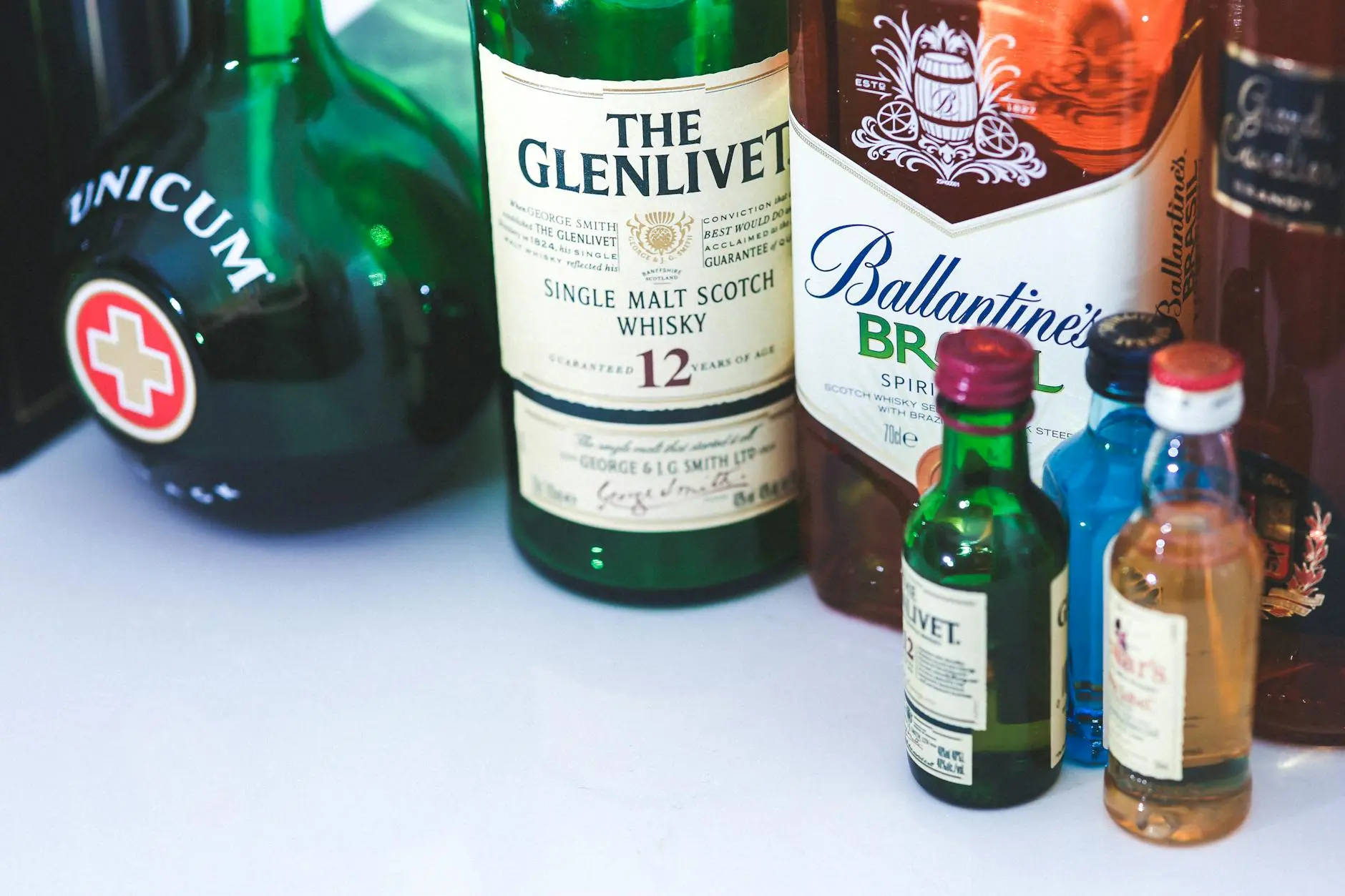
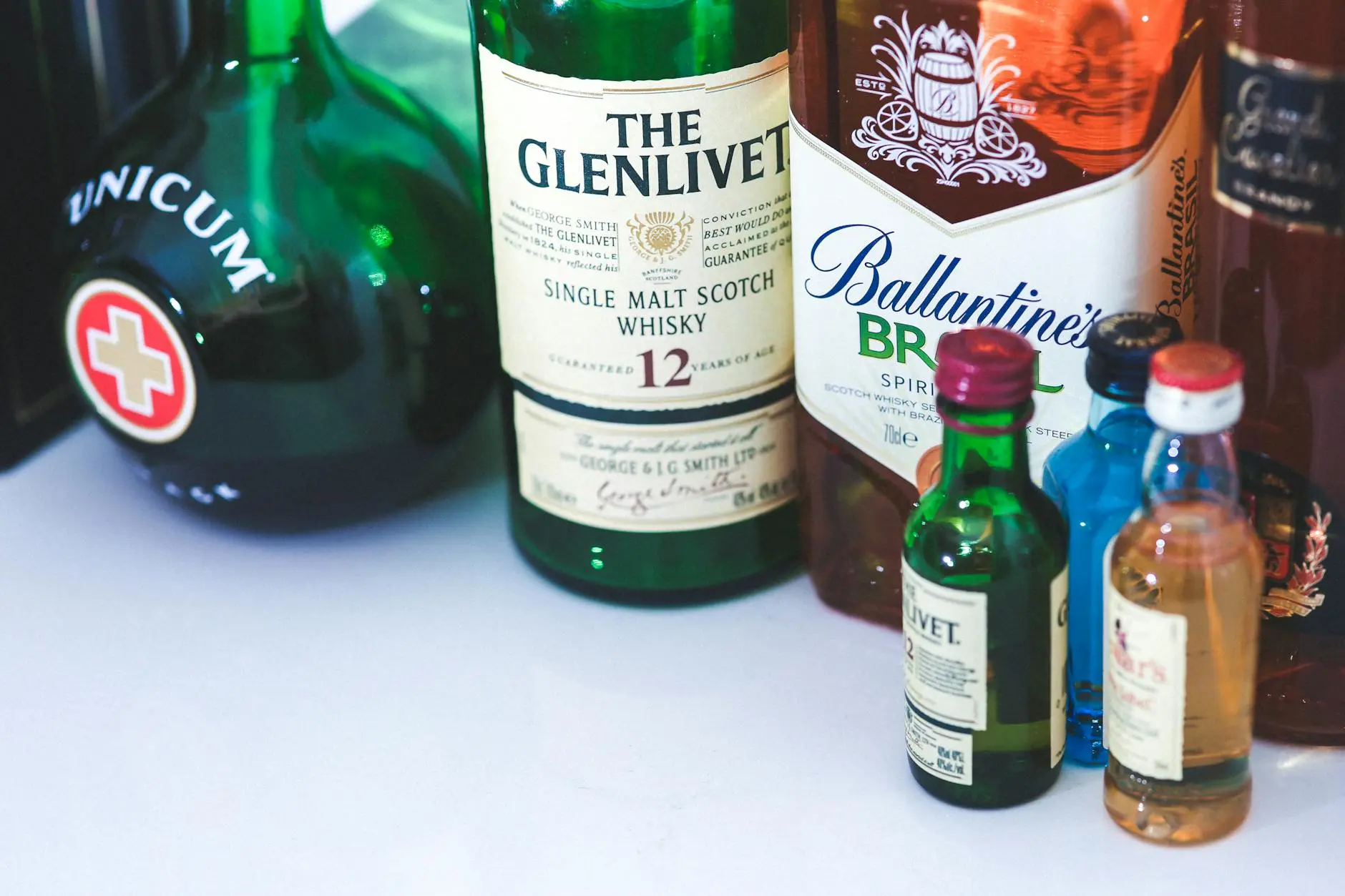
Malt scotch whisky is a type of whisky that is distilled from malted barley and produced exclusively in Scotland. By law, it must be aged in oak barrels for a minimum of three years. The term “malt” refers specifically to whisky made from 100% malted barley, which distinguishes it from blended or grain whisky.
The Key Characteristics of Malt Scotch Whisky
- Single vs. Blended: Malt scotch whisky can be categorized into single malt and blended malt. Single malt whisky comes from a single distillery and is made from one type of grain, while blended malt includes whisky from multiple distilleries.
- Flavor Profile: The flavor of malt scotch whisky can vary greatly depending on the distillery, the region of production, and the aging process. Common flavors include fruity, floral, peaty, and smoky notes.
- Alcohol Content: Typically, malt scotch whisky has an alcohol by volume (ABV) of 40%, although certain expressions may have a higher ABV.
The Production Process
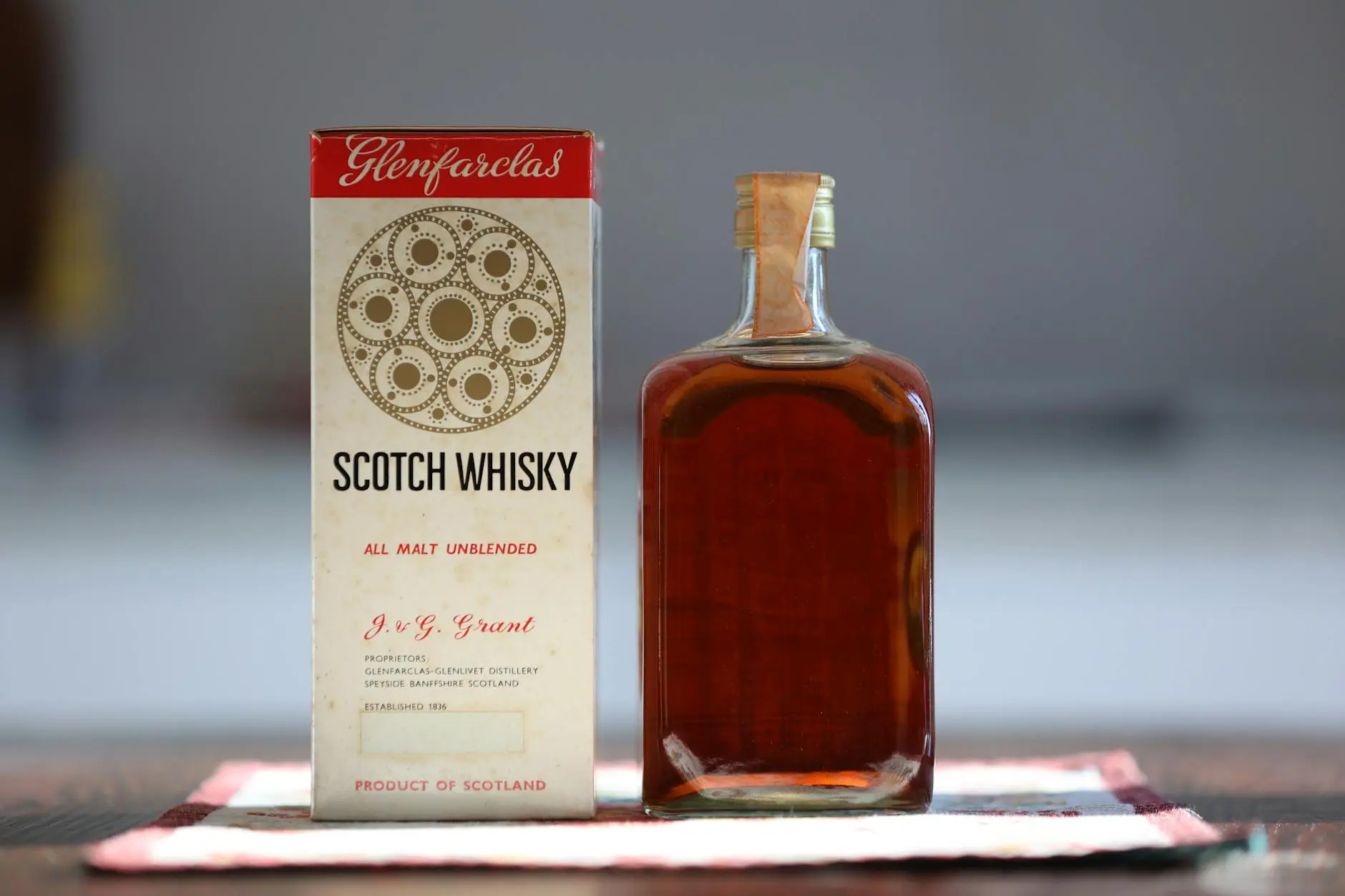
Understanding how malt scotch whisky is made can deepen your appreciation for this complex spirit. The production process involves several key steps:
1. Malting
The journey begins with malting, where barley grains are soaked in water and allowed to germinate. After several days, the germinated grains are dried in a kiln, stopping the germination process. This creates malted barley, which is the primary ingredient in whisky.
2. Mashing
Next, the malted barley is ground into a coarse flour called “grist.” This grist is then mixed with hot water in a large vessel known as a mash tun. The heat activates enzymes that convert the starches into sugars, resulting in a sugary liquid called “wort.”
3. Fermentation
The wort is transferred to fermentation vessels where yeast is added. The yeast consumes the sugars, producing alcohol and carbon dioxide. This process typically lasts around 48 to 72 hours, resulting in a liquid called “wash” that has an alcohol content of about 6-8%.
4. Distillation
The wash undergoes double distillation in copper pot stills. The first distillation occurs in a wash still, and the resulting liquid, known as “low wines,” is distilled again in a spirit still. This second distillation increases the alcohol content, typically to around 70%.
5. Maturation
After distillation, the spirit is transferred to oak barrels for maturation. During this time, the whisky absorbs flavors from the wood and undergoes chemical changes that enhance its character. The minimum aging period is three years, but many premium offerings are aged much longer.
Regions of Malt Scotch Whisky
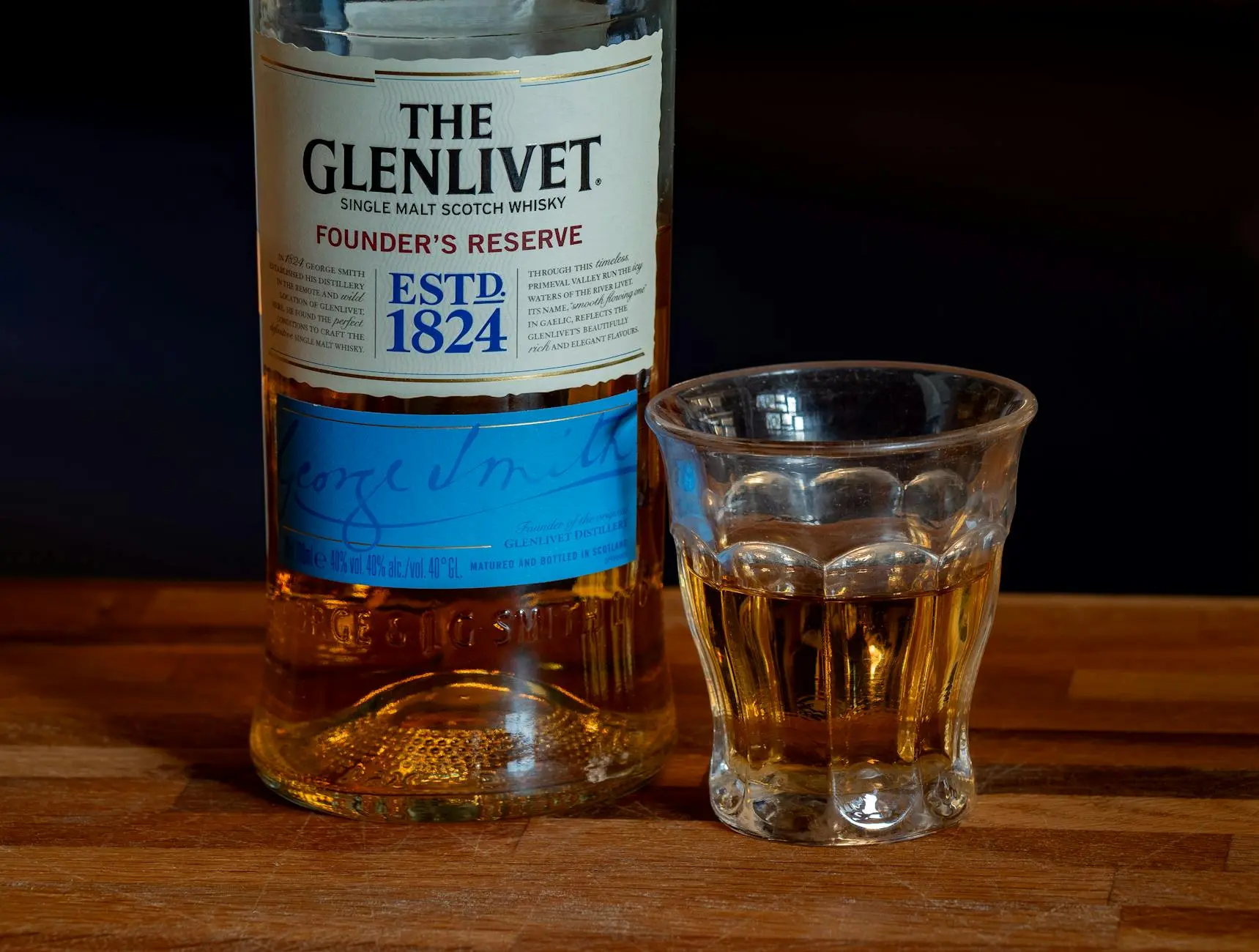
Scotland is home to several whisky-producing regions, each with its distinctive characteristics:
- Highlands: Known for its varied landscapes, Highland whiskies are often rich and full-bodied, featuring a range of flavors from floral and fruity to peaty and smoky.
- Islay: This region is famous for its strong, peaty whiskies with smoky and medicinal notes. Islay whiskies often evoke a sense of the coastal environment from which they originate.
- Speyside: Typically known for its sweet and fruity whiskies, Speyside is home to many of the most renowned distilleries and is a favorite among beginners.
- Lowlands: Lowland whiskies are usually lighter and more delicate, making them an excellent introduction for new whisky drinkers.
- Campbeltown: Once a major whisky-producing hub, Campbeltown whiskies are known for their unique maritime character and complexity.
How to Enjoy Malt Scotch Whisky
Now that you know what malt scotch whisky is and how it’s made, you might be wondering how to enjoy it. Here are some tips for tasting and savoring this wonderful spirit:
1. Choose Your Glass
A whisky tumbler or a Glencairn glass is ideal for tasting malt scotch whisky. The Glencairn glass, in particular, is designed to concentrate the aromas, enhancing the tasting experience.
2. Observe the Color
Pour a small amount of whisky into your glass and take a moment to appreciate its color. The hue can offer hints about the aging process and the type of cask used for maturation.
3. Swirl and Sniff
Gently swirl the whisky in the glass to release its aromas. Bring the glass to your nose and take a deep inhale. Try to identify the different scents and flavors that arise.
4. Take a Sip
When tasting, take a small sip and allow the liquid to coat your palate. Notice the mouthfeel, the flavors that emerge, and the finish. Is it smooth, spicy, sweet, or smoky?
5. Add Water or Ice (Optional)
Some whisky drinkers prefer to add a drop or two of water to open up the flavors. Others may enjoy their whisky with ice. Experiment to find what suits your palate best.
Conclusion
Malt scotch whisky is a fascinating spirit that offers a rich tapestry of flavors and aromas, making it a delightful choice for both newcomers and seasoned enthusiasts. Understanding what malt scotch whisky is, how it’s produced, and how to enjoy it can enhance your appreciation of this iconic drink. So, whether you’re looking to savor a dram yourself or explore the vast world of whisky further, we invite you to dive deeper into our collection of spirits. Discover the perfect bottle of malt scotch whisky or explore our offerings in whisky, gin, rum, and more. Cheers!