


When diving into the world of spirits, many newcomers often ask: what is the difference between whisky and bourbon? While both are beloved types of distilled spirits, understanding their distinctions can enhance your appreciation and enjoyment. This beginner’s guide will take you through the essential elements that set whisky and bourbon apart, including their ingredients, production processes, and regional regulations.
What is Whisky?
Whisky, a broad term that encompasses a variety of distilled spirits, is made from fermented grain mash. The grains used can include barley, corn, rye, and wheat, and the choice of grain can significantly impact the flavor profile. Whisky is aged in wooden casks, typically oak, which contributes to its complex character.
Types of Whisky
There are several types of whisky around the world, each with its unique characteristics:
- Scotch Whisky: Made in Scotland, typically from malted barley.
- Irish Whiskey: Known for its smoothness, often triple distilled.
- American Whiskey: Includes bourbons and ryes, each with distinct regulations.
- Japanese Whisky: Often inspired by Scotch, known for its craftsmanship.
What is Bourbon?
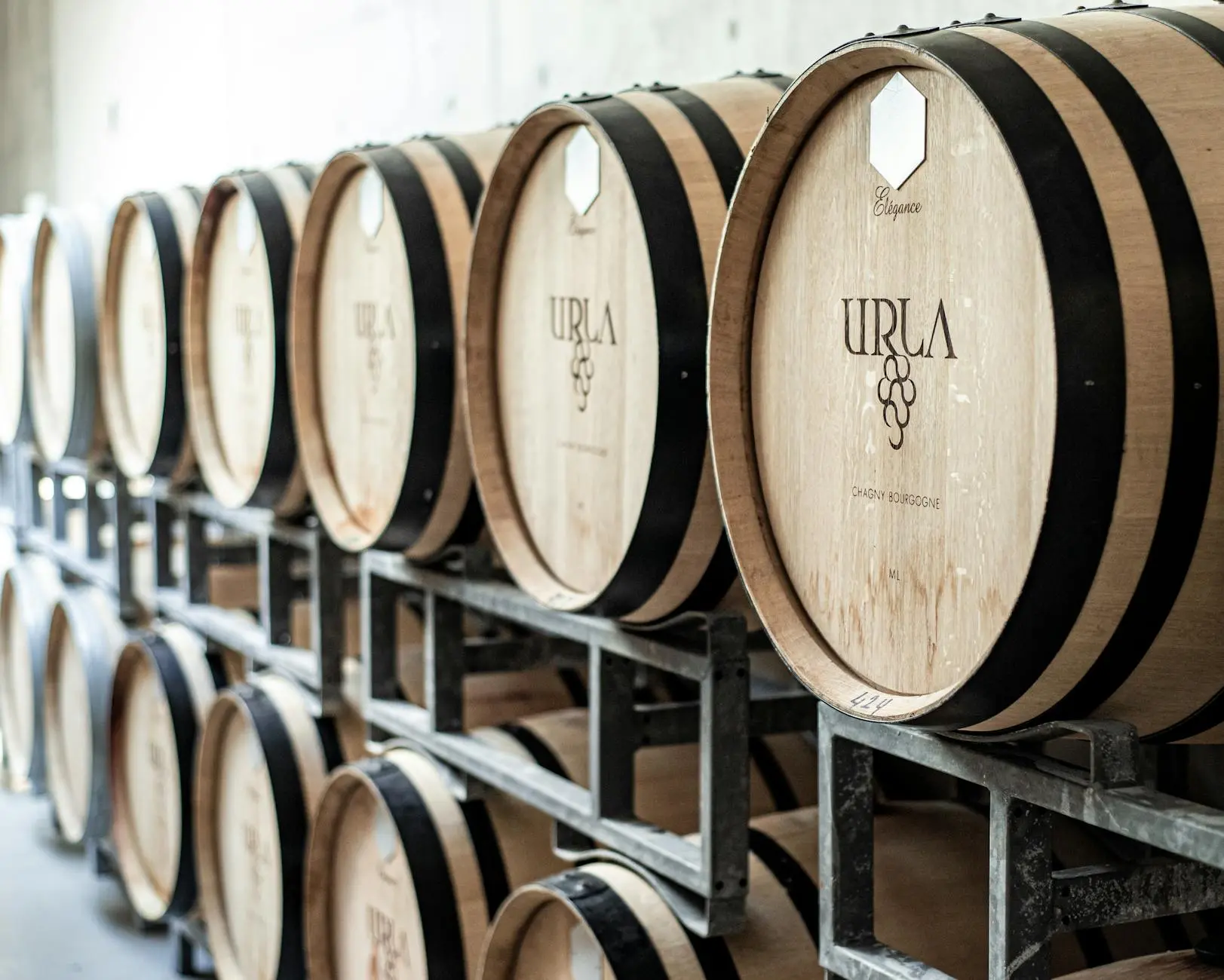
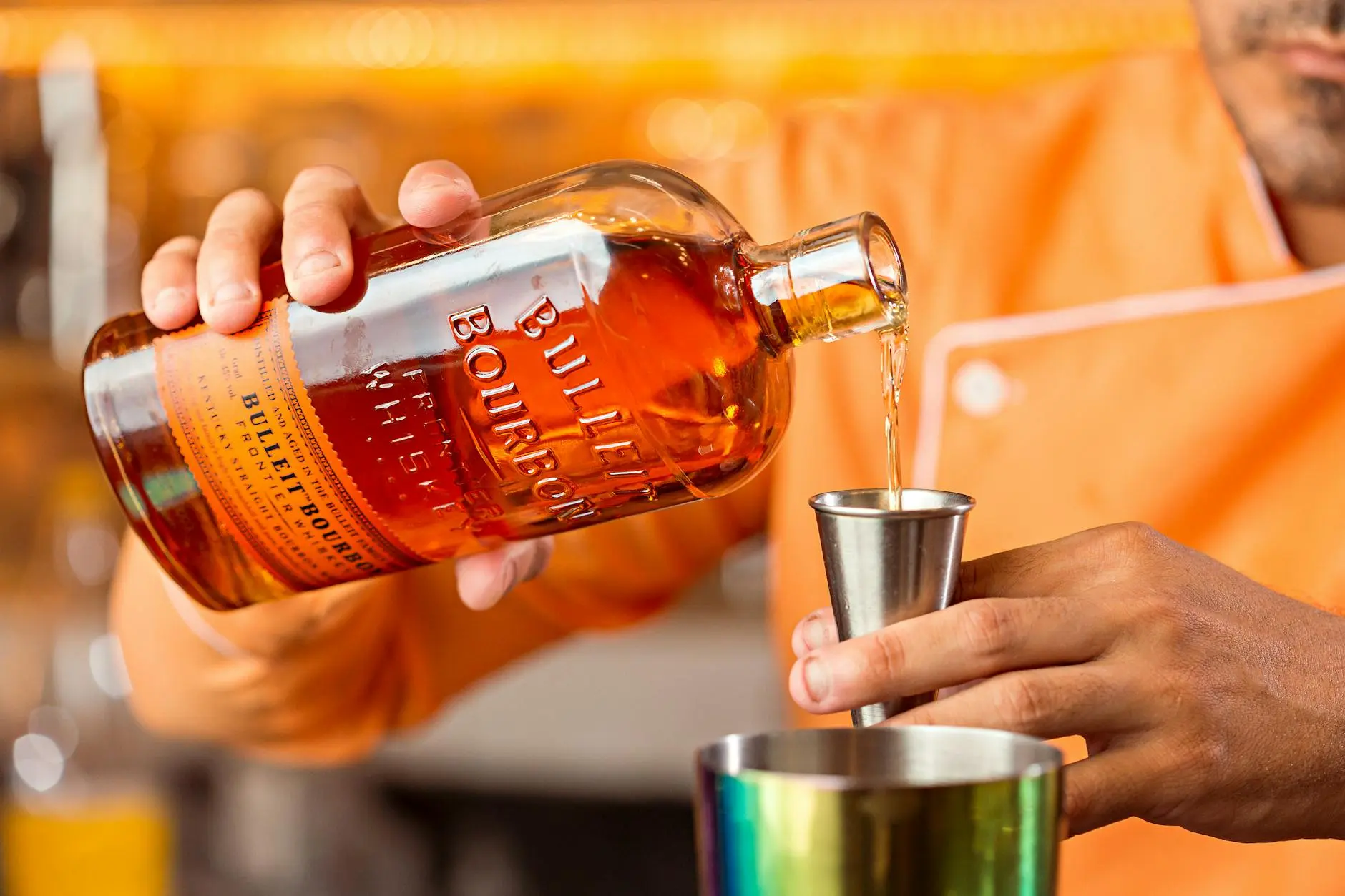
Bourbon is a specific type of American whisky that adheres to strict regulations. To be classified as bourbon, the spirit must be made primarily from corn (at least 51%), aged in new charred oak barrels, and distilled to no more than 160 proof. Its sweetness and rich flavor make it a favorite among many whisky enthusiasts.
Key Characteristics of Bourbon
- Grain Composition: Must be at least 51% corn.
- Barrel Requirement: Aged in new charred oak barrels, which imparts a deep color and flavor.
- Distillation: Cannot be distilled higher than 160 proof, ensuring more flavorful compounds remain.
- Geographic Requirement: While often associated with Kentucky, bourbon can be made anywhere in the United States.
Comparing the Production Processes
Ingredients
One of the most significant differences when considering what is the difference between whisky and bourbon is the grain composition. While whisky can be made from various grains, bourbon must be made from a minimum of 51% corn. This requirement gives bourbon its characteristic sweetness, which is less prominent in other types of whisky.
Distillation and Aging
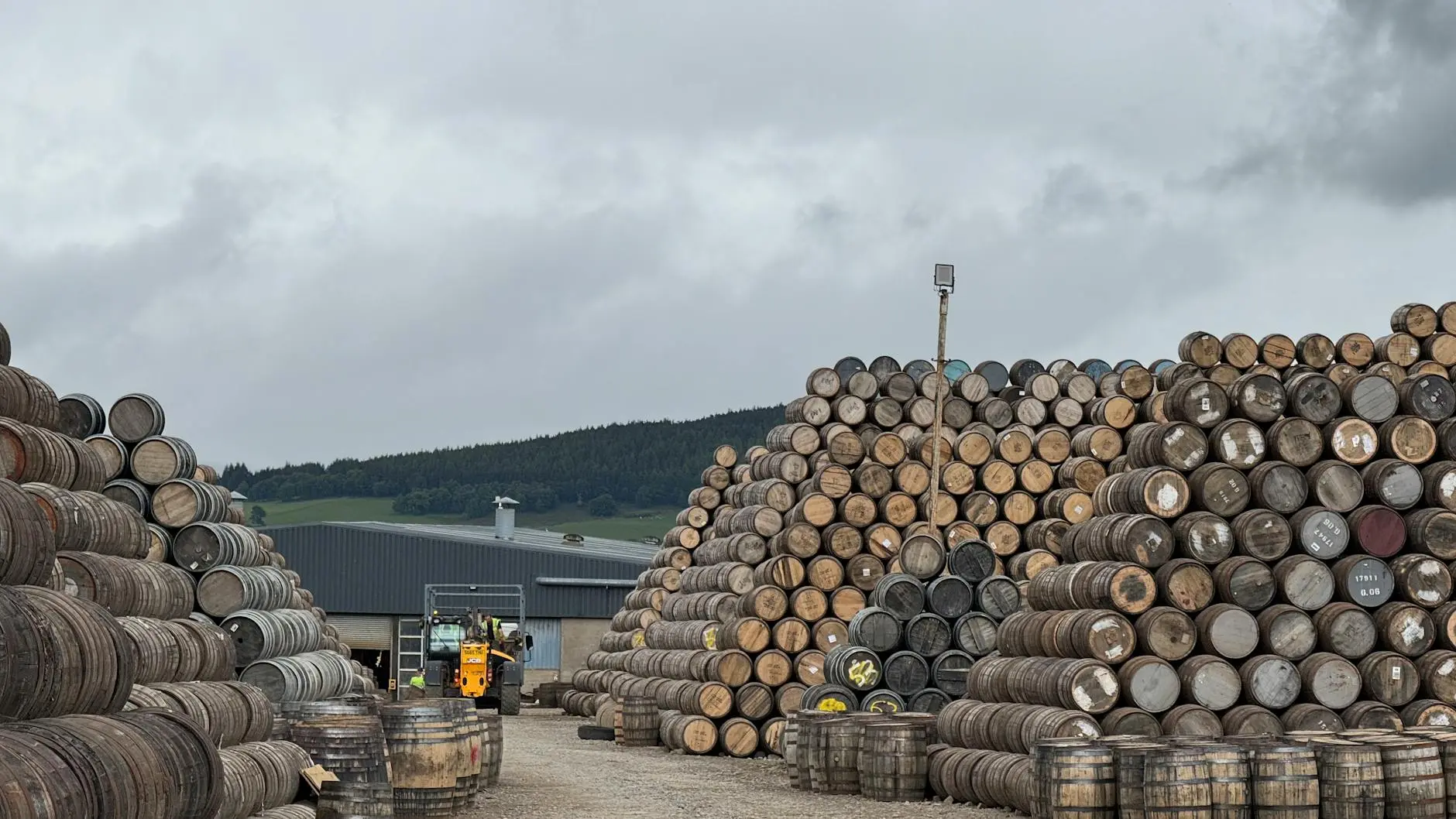
The distillation process also varies between the two. Bourbon must be distilled to a maximum of 160 proof, while other whiskies can be distilled higher. Additionally, bourbon’s aging process requires new charred oak barrels, which must be used only once. In contrast, other whiskies might use previously used barrels, leading to different flavor profiles.
Flavor Profiles: What to Expect
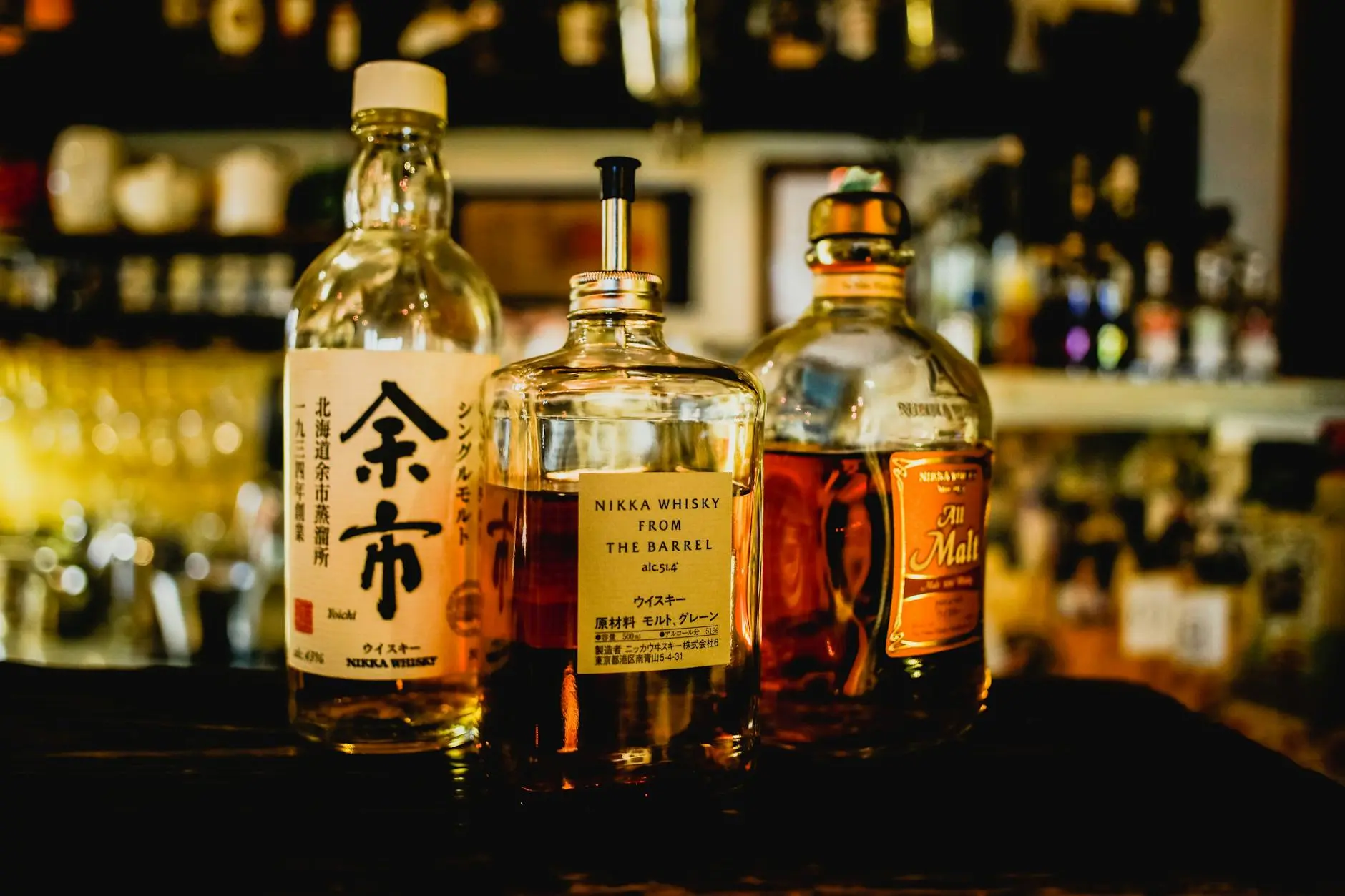
When exploring the flavors of whisky versus bourbon, it’s essential to understand their unique qualities:
Whisky
Whiskies can exhibit a broad spectrum of flavors based on their ingredients, production methods, and aging. For instance:
- Scotch: Often smoky and peaty due to the use of malted barley and specific drying methods.
- Irish Whiskey: Generally smoother and lighter, often with fruity or floral notes.
Bourbon
Bourbon is typically sweeter due to its high corn content. Common tasting notes include:
- Caramel
- Vanilla
- Oak
- Spice
Legal Definitions and Regulations
Understanding the legal definitions is crucial when addressing what is the difference between whisky and bourbon. In the United States, bourbon has specific regulations enforced by law. Here’s a summary of the criteria:
- Must be made from at least 51% corn.
- Aged in new charred oak barrels.
- Distilled to no more than 160 proof.
- Must be bottled at a minimum of 80 proof.
In contrast, whisky regulations vary by country and type, which allows for a wide range of styles and flavors.
Conclusion
Understanding the differences between whisky and bourbon is a thrilling journey into the world of spirits. Whether you’re a casual drinker or an aspiring connoisseur, knowing these distinctions can deepen your appreciation for these remarkable beverages. The next time you find yourself at a bar or store, you’ll be equipped to choose the right spirit that suits your palate.
Ready to explore more about whiskies, gins, and rums? Visit our website for a fantastic selection of spirits and detailed guides to help you on your journey. Cheers to your new knowledge and happy sipping!